
Review · COLOMBIA
Mangroves, cultural fishing, black heritage town and lunch
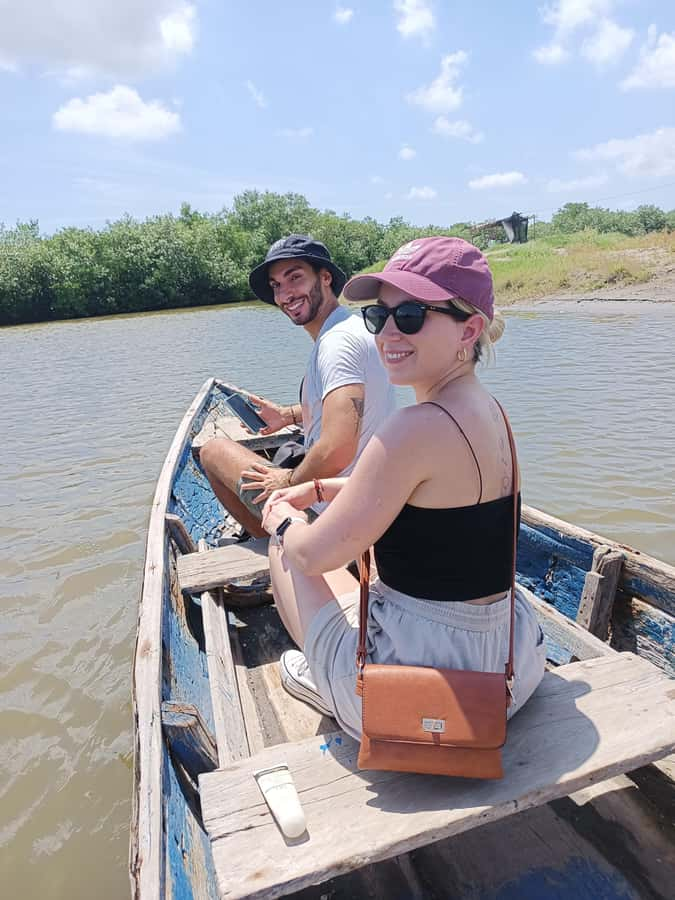
La Boquilla’s mangroves offer a side of Cartagena that feels far removed from the old city’s stone streets. You’ll travel by canoe through leafy channels, watch local fishermen work their nets, and spend time in a community proud of its Afro-Caribbean roots. I especially like the chance to try traditional net fishing yourself and the included local seafood lunch served after the boat trip.
The main caution is time. Three hours goes quickly, and some outings spend less than an hour on the water and less than an hour over lunch. The experience can also feel rushed if your guide has another appointment, so this suits you best if you want a compact introduction rather than a slow day in the village.
Key points
- Crespo meeting point: Meet at Favipan Crespo on Calle 70, 15 minutes before departure. Hotel pickup is not included.
- Mangrove canoe ride: Pass through narrow green channels and watch for local wildlife in the swamp.
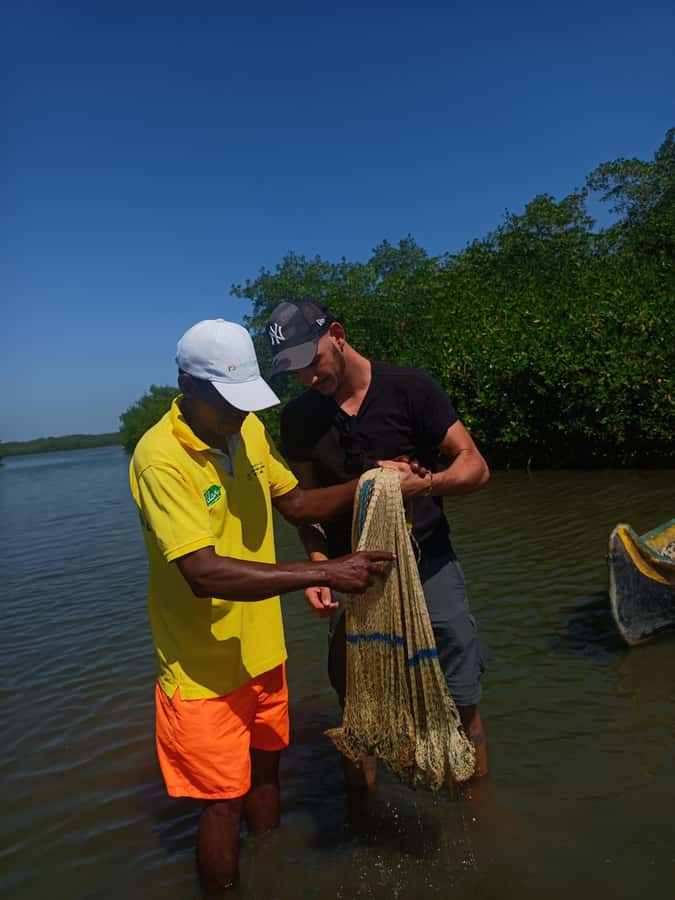
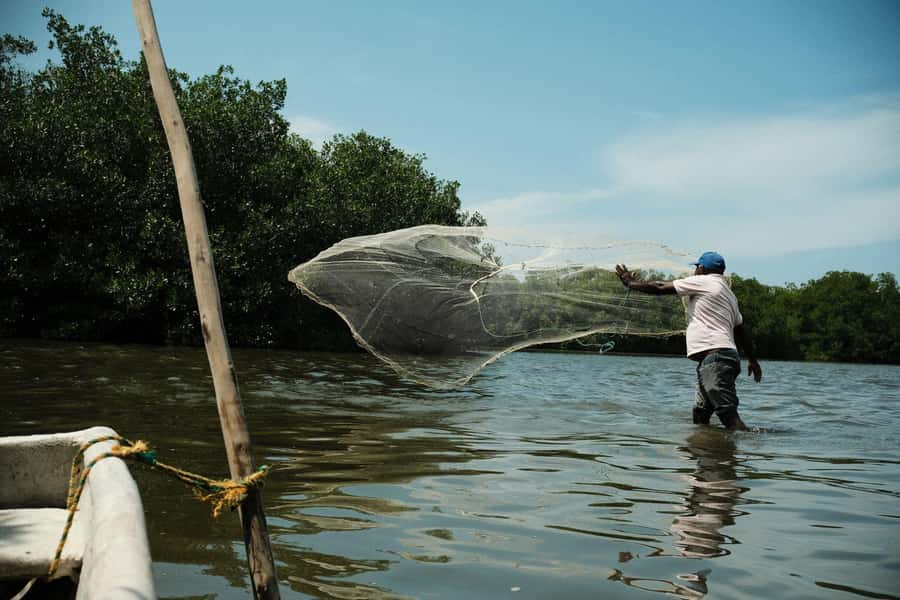
- Hands-on fishing: Try casting a fisherman’s net, an enjoyable skill that looks easier than it is.
- Afro-Caribbean culture: Learn about La Boquilla’s African heritage and its long connection with fishing.
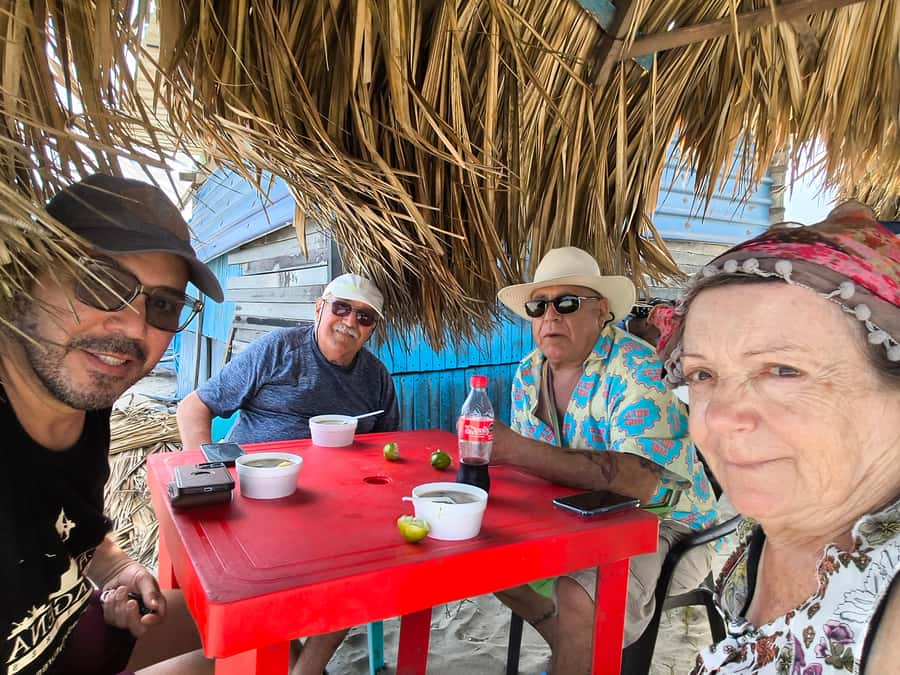
- Beachside lunch: Eat typical Caribbean food with coconut, local seasonings, and fresh seafood.
- Private three-hour outing: English and Spanish guides are available, with flexible cancellation up to 24 hours before departure.
La Boquilla, beyond Cartagena’s old walls
The trip begins in Cartagena’s Crespo area and heads toward La Boquilla, a nearby fishing village on the Caribbean coast. The distance is short, but the change in feel is substantial. Instead of grand plazas and colonial facades, you see a working coastal community shaped by fishing, family life, and Afro-Caribbean traditions.
La Boquilla is known for retaining a strong sense of African heritage. The area was once a refuge for freed slaves, and that past remains part of the community’s identity. Your guide explains this background as you walk through the village and make your way to the water.
I like that the cultural side is tied to ordinary life rather than treated as a separate museum lesson. You meet local people, hear about fishing, and see how the village’s history connects with what happens on the shore today. Music and percussion are also part of the local identity, with children growing up around rhythms that are closely linked to the community.
The short village walk is not a polished sightseeing route. That is part of its value, but it also means you should come ready for a direct look at everyday life. This is an active fishing settlement, not a decorative stop designed only for photographs.
More Fishing Trips with Lunch in the world:
- Rovaniemi: Snowmobile and Ice Fishing Adventure with Lunch
★ 4.8 · 879 reviews - Makarounas Fishing Boat Trip with swimming stop and BBQ on board
★ 5.0 · 831 reviews - Santorini Fishing Private Cruise boat tour – BBQ, Snorkeling
★ 5.0 · 354 reviews
Finding the meeting point in Crespo
Your meeting point is Favipan Crespo, on Calle 70 in Cartagena’s Bolívar district. You arrange your own way there, since hotel pickup and drop-off are not included. Plan to arrive at least 15 minutes early, especially if you are staying in another part of Cartagena.
This detail matters because the outing is only three hours long. A late arrival can cut into the boat ride, fishing session, or lunch. Bring your passport or ID card, as those are specifically requested, along with comfortable clothes and shoes.
Transportation from the meeting point to La Boquilla and back is included. Once you meet the guide, the outing is private rather than a large shared group. That gives you a more personal setting for questions about the village, fishing, and the mangroves.
Guides named in the feedback include Alex and Luis. Alex is described as friendly and easy to talk with, while Luis handled the canoe skillfully. English and Spanish are available, though English fluency may vary by guide. If needed, a translation app can help keep the conversation moving.
Entering the mangrove channels by canoe
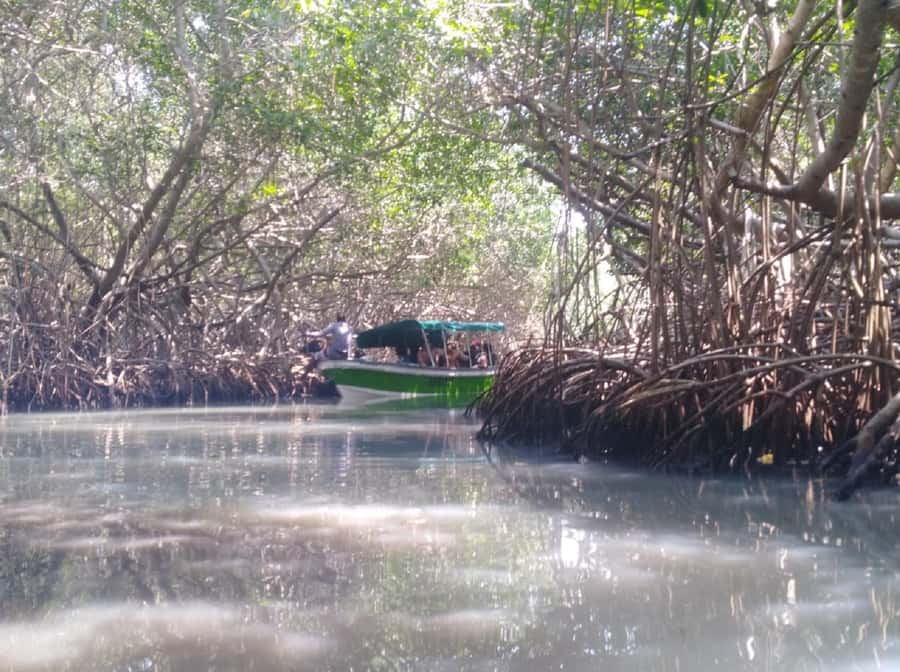
The boat ride is the heart of the outing. You travel through the mangrove forest, where dense foliage can form bright, narrow tunnels over the water. The setting is quiet and enclosed, with the boat moving through swamp channels instead of open sea.
Keep your eyes open for animals native to the region, though sightings are not guaranteed. The tour description encourages you to watch the water and foliage, but this is not presented as a dedicated wildlife expedition. The pleasure comes from the close view of the mangrove system and the chance to understand how the forest supports the fishing community.
The narrow passages give the ride its character. You are not simply being transported from one stop to another. You can see how the waterways connect with local work and daily travel, and you get a close look at the roots, branches, and water that make this habitat different from Cartagena’s beaches.
The boat time may be shorter than you expect. One account described less than an hour in the canoe, and another called the overall activity a little short. That is not necessarily a problem if you want a quick outing, but it is important to set your expectations. You are not booking a full-day nature trip or a long expedition through the wetlands.
Trying the fisherman’s net
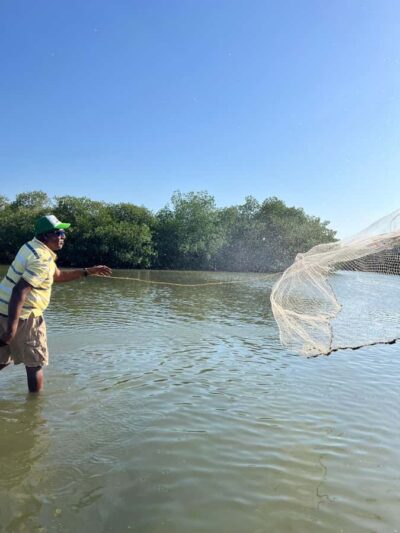
After or during the mangrove ride, you get a chance to try traditional fishing with a local fisherman. You may cast the net more than once, learning by doing rather than simply watching from the boat.
Casting a fishing net is harder than it looks. The motion needs timing and control, and even a simple attempt gives you more respect for the skill involved in pulling food from the water. This is one of the most memorable parts of the outing because it turns a local livelihood into a hands-on experience.
The fishing stop also gives your guide a natural opening to talk about how the mangroves work. The forest is not only scenery. It is part of the setting in which local fishing has developed, and the activity helps you understand the link between the village and its waterways.
Do not expect a full fishing lesson or a guaranteed catch. The supplied details describe trying the net and watching fishermen pull theirs in, not a promise that you will bring home seafood. Think of this as a short introduction to a local technique.
More history walks around the world:
A compact look at Afro-Caribbean life
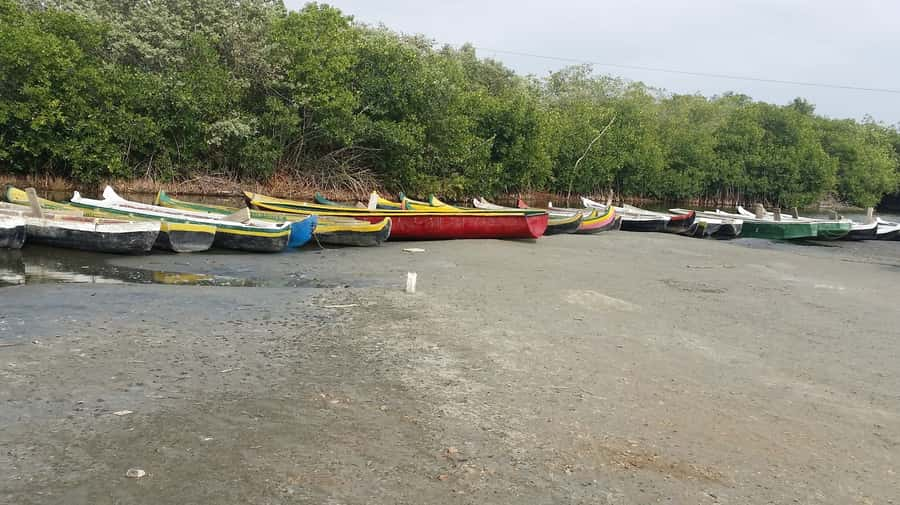
The cultural focus is one of the strongest reasons to choose this experience. La Boquilla offers a chance to learn about Afro-Caribbean identity in a community where African ancestry remains a source of pride.
Your guide can provide context as you pass through the village and meet local people. The experience is less formal than a history tour, but that can make it feel more connected to real life. You see a fishing community, hear about its heritage, and then eat food shaped by the same coastal culture.
The visit is brief, so it cannot cover every part of La Boquilla’s past. Still, the combination of village walk, fishing, food, and conversation gives the history a practical shape. You are not only hearing that the area has Afro-Caribbean roots. You are seeing how those roots remain part of the community’s character.
Come with curiosity and respect. The village is someone’s home and workplace, not just a backdrop for a boat ride. Listen to the guide, follow local instructions, and ask questions in a friendly way.
Coconut, seafood, and a beachside lunch
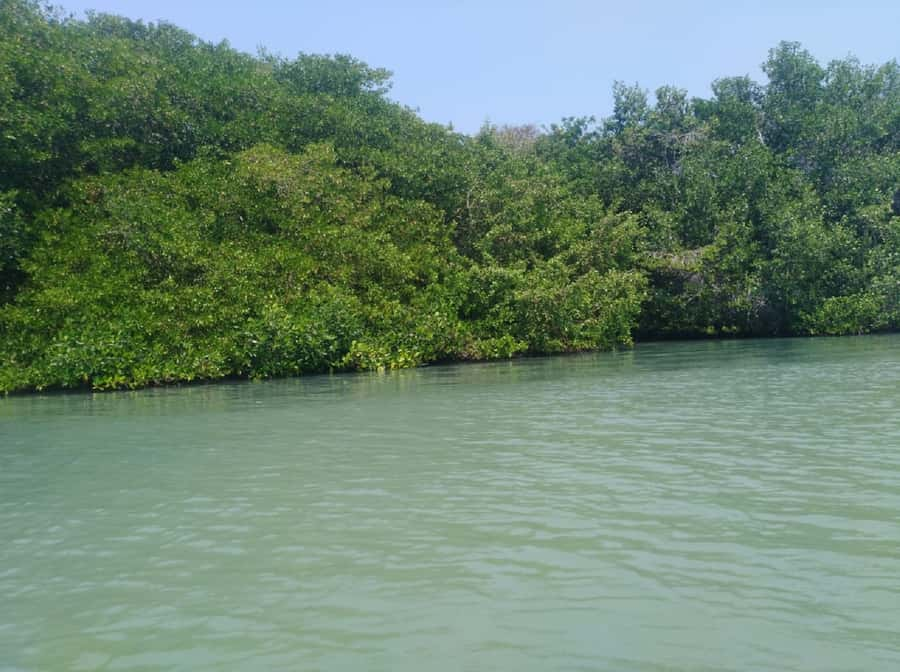
After returning from the mangroves, you sit down for a lunch of typical Afro-Caribbean food. The meal features fresh local seafood, coconut, and other seasonings common in Caribbean cooking.
The lunch is included in the $49 price, which improves the value of the outing. You do not need to find a separate restaurant after the boat ride, and the meal gives you another way to experience the region. The food is not an add-on to the cultural visit. It is part of the story of the coast.
The lunch is served near the beach, and the setting adds to the appeal. The meal itself receives mixed enthusiasm in the available feedback: some people considered it a highlight, while another found it only acceptable and would have preferred more time in the mangroves. Your priorities matter here.
If food is a major reason you book, this is a good chance to try local flavors without committing to a full restaurant meal. If you care most about nature and fishing, you may find the lunch takes up valuable time in a short three-hour schedule.
After eating, you take a short walk on the beach to settle your meal before returning to Cartagena. It is a simple ending, but it gives you a few minutes to slow down after the boat and village activities.
What $49 buys you
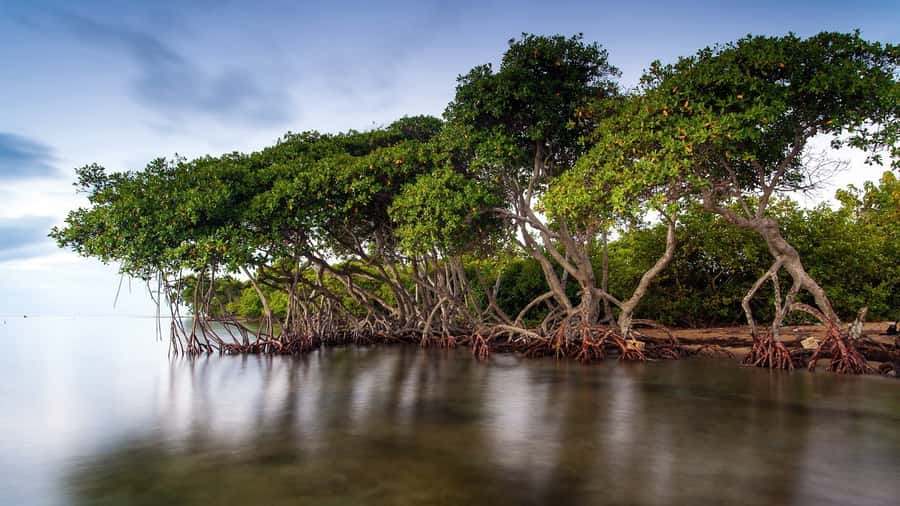
At $49 per person, the price is fair for a private three-hour experience that includes transportation from the meeting point, a guide, the canoe outing, a fishing activity, a village walk, and lunch. You are paying for several small experiences joined together rather than one long attraction.
The private-group format is especially useful if you want to ask questions or keep the pace personal. You are not being moved through a large crowd, and the guide can focus on your interests. The tradeoff is that a private tour still may follow a tight schedule, particularly if the guide has another appointment afterward.
The value is strongest for someone who wants cultural contact and local food as much as scenery. A person seeking a long mangrove cruise may feel the outing is too brief. A visitor with only half a day free, however, gets a practical taste of La Boquilla without giving up a full day in Cartagena.
The tour also includes free cancellation up to 24 hours before the start time, and you can reserve now and pay later. Those terms help if your Cartagena plans are still changing.
Who should book this outing?
I would recommend it to you if you want to see a working community outside Cartagena’s main tourist center. It is a good fit for people who enjoy talking with local guides, trying a simple traditional skill, and eating regional food.
Families and small private groups may also appreciate the short length and hands-on fishing. The canoe ride is not described as a strenuous activity, but comfortable clothes and shoes are still the right choice.
This is less suitable if you want a full-day nature trip, a guaranteed wildlife encounter, or a long, relaxed meal. The three-hour schedule is efficient, but it leaves little room for delays or extended conversation.
English speakers should also be aware that guide fluency can vary. English and Spanish are offered, and translation help may be useful if your guide is more comfortable in Spanish. That should not rule out the tour, but it is worth considering if detailed historical discussion is your main goal.
Practical advice for a smoother visit
Bring your passport or ID card, comfortable shoes, and comfortable clothing. Arrive 15 minutes early at Favipan Crespo, since you must reach the meeting point on your own.
Keep your expectations realistic about timing. The outing may include less than an hour on the water and less than an hour for lunch, with the remaining time divided between transport, fishing, the village, and the beach walk.
If you want the fullest cultural experience, use the boat ride and lunch to ask questions. Ask about local fishing, the mangroves, and La Boquilla’s Afro-Caribbean heritage. The guide’s conversation is an important part of what you are paying for.
Should you book it?
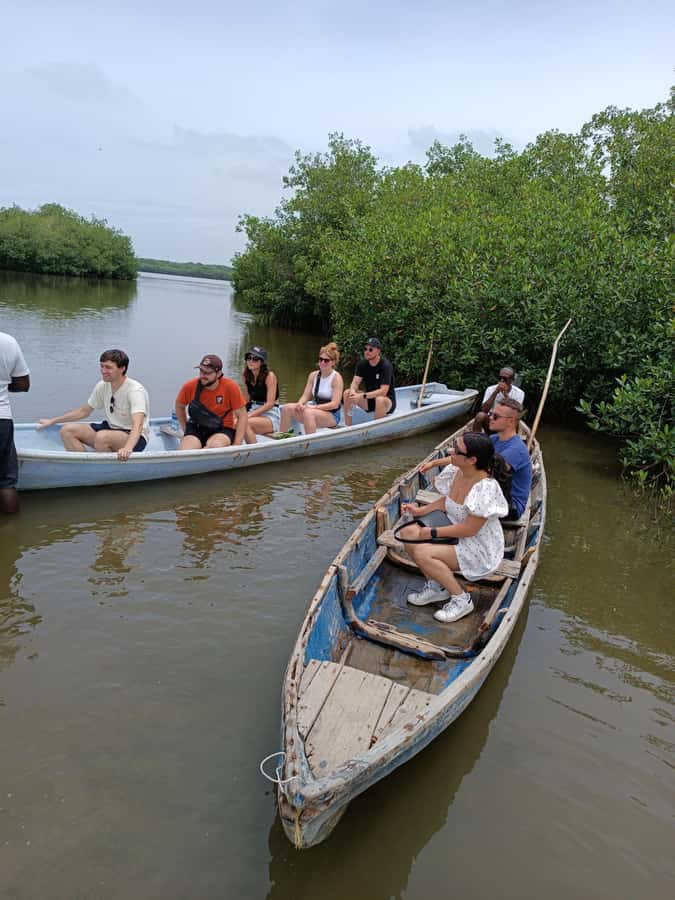
Book this experience if you want a compact, personal introduction to La Boquilla, with hands-on fishing, a mangrove ride, and a local lunch in one outing. The strongest elements are the private format, the chance to try casting a net, and the connection between the village’s Afro-Caribbean heritage and its fishing life.
Skip it if you want a slow, lengthy boat trip or a full day focused on wildlife. The schedule can feel rushed, and some guides may need to keep close track of time. For $49, though, the combination of transport, guide, food, fishing, and cultural context offers solid value for a half-day addition to a Cartagena stay.
FAQ
How long does the mangrove and fishing experience last?
The activity lasts three hours, including transportation from the meeting point and the return journey.
Where do I meet the tour?
Meet at Favipan Crespo on Calle 70 in Cartagena, Bolívar, Colombia.
Is hotel pickup included?
No. Hotel pickup and drop-off are not included. You must make your own way to the Crespo meeting point.
What languages are available?
The tour is offered in English and Spanish.
Is lunch included?
Yes. Lunch featuring typical Afro-Caribbean cuisine, including local seafood and coconut-seasoned flavors, is included.
What should I bring?
Bring your passport or ID card, comfortable shoes, and comfortable clothing. You should also arrive 15 minutes before the activity begins.
Can I cancel the booking?
Yes. You can cancel up to 24 hours in advance for a full refund. You can also reserve now and pay later.
Just landed around the world
- ZANZIBAR FISHING EXPRIENCE★ 3.3 · 6 reviews
- Zanzibar Sea Fishing Boat Tour experience with Transfer★ 3.8 · 16 reviews
- Zante Fishing Tours★ 5.0 · 7 reviews
- Wonga Beach: Hook-A-Barra Fishing Experience★ 4.7 · 16 reviews
- Wonga: Guided Fishing, Farming and Tasting Tour★ 5.0 · 2 reviews
- Ylläs: Snowmobile Adventure with Ice Fishing★ 4.7 · 18 reviews
- Wismar: Harbor Cruise with Sea Animal Fishing and Guide★ 4.6 · 22 reviews
- From Seoul: Hwacheon Ice Fishing and Lighting Festival Tour★ 4.5 · 4 reviews
Colombia Fishing Trips, compared.
Cartagena: Mangrove Eco Tour & Fishing with Transportation
Read our review →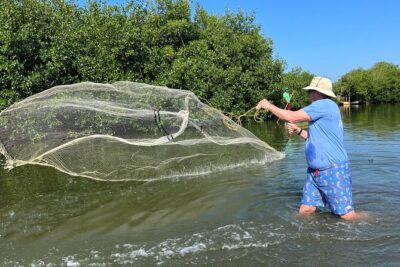
Cartagena Fishing & Crabbing • Unique Local Experience with Lunch
Read our review →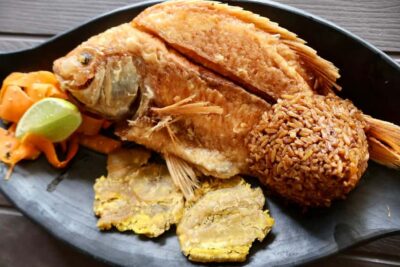
Typical lunch on beach, mangrove tour & fishing with natives
Read our review →
Cartagena Fishing, Crabbing, Birdwatching Experience + Lunch
Read our review →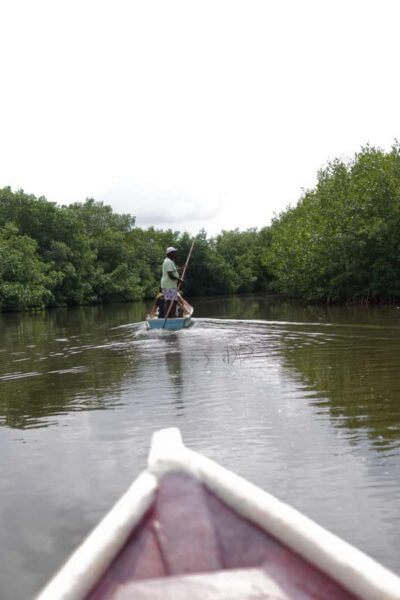
Cartagena: Artisanal fishing through the mangroves
Read our review →Other lists this trip sits in