
Review · JAPAN
Boat Fishing Activity in Central Tokyo
Tokyo Bay is not just a backdrop for Tokyo’s skyline. It is the fishing ground for this small-group boat trip, where you can catch horse mackerel for the table. The fishing is simple enough for children and first-timers, yet active enough to turn breakfast into a friendly contest.
I like the chance to eat a fish you caught yourself, and I like the personal feel of a group limited to five people. Guide Moto has been praised for patient, helpful instruction, and the bay views add plenty to the four hours on the water. The main catch is the cost: the listed price is $405, while tackle and hotel transport require an additional 20,000 yen per person.
Key points at a glance
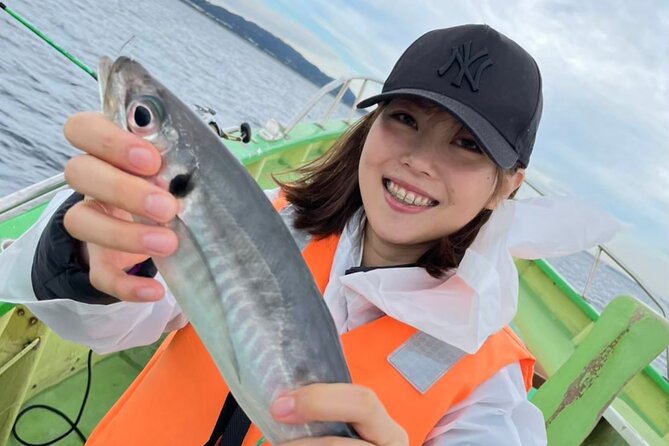
- Catch your own horse mackerel: The main target is a common Japanese table fish that works well as sashimi, grilled fish, tempura, or tartar.
- A good first fishing trip: The method is described as easy, and English instruction is available for beginners and children.
- Small group of five: A maximum of five people keeps the outing more personal than a large fishing boat.
- Very early start: Pickup is listed around 5:30 a.m., with fishing beginning at about 7:30 a.m.
- Bring your own food: Snacks and drinks are not included, though vending machines are available before fishing.
- Weather matters: Rain usually does not stop the trip, but poor weather can lead to a new date or a full refund.
Why Tokyo Bay fishing is worth your morning
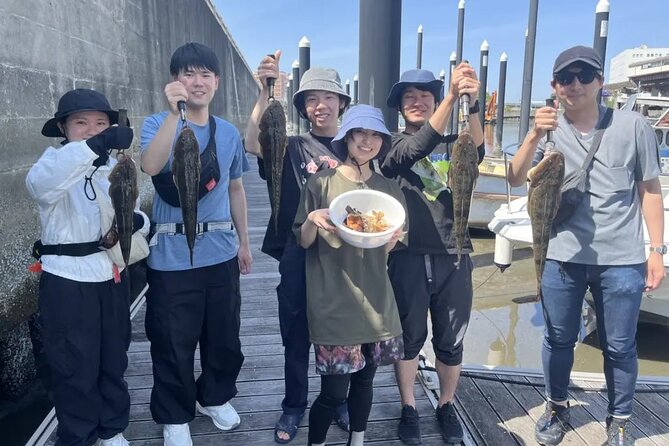
I like experiences that show you a part of Tokyo beyond temples, shopping streets, and observation decks. This trip gives you a look at the bay as a working stretch of water, not simply as scenery behind the city.
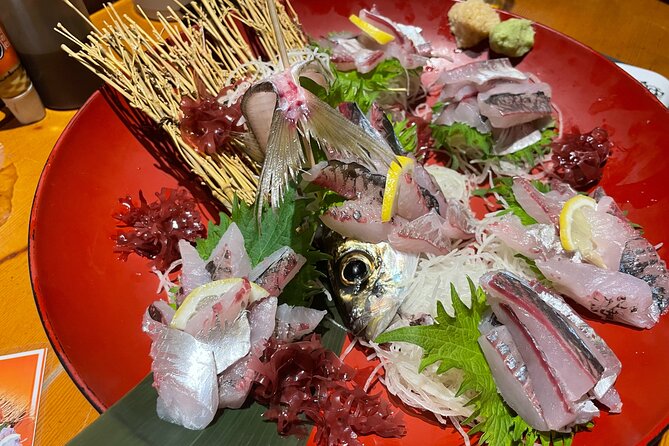
The target is horse mackerel, known in Japan as aji. It is a familiar fish in Japanese homes because it is tasty and useful in several dishes. You may eat it raw as sashimi, grill it, fry it as tempura, or prepare it as tartar. The activity description says catching more than 20 fish is not unusual, so you may have a busy morning rather than a quiet wait with an empty line.
That is part of the fun. You can keep count, compare your catch with family or friends, and guess how many fish you will bring in. This is less about technical sport fishing and more about an active outing with a clear reward at the end.
You should still set your expectations properly. Fish numbers depend on conditions, the season, and the day’s luck. The promise of more than 20 fish is an indication of what can happen, not a guarantee.
More fishing trips around the world:
- Tromsø: Arctic Fjord Cruise & Fishing Experience
★ 4.7 · 4,588 reviews - Cooking Class Hoi An:Local Market, Basket Boat, Fishing & Cooking
★ 5.0 · 3,660 reviews - Hoi An Cooking Class(Market,BasketBoat Crabfishing&Cooking Class)
★ 5.0 · 3,386 reviews
The early pickup and the trip toward the bay
The schedule lists hotel pickup at 5:30 a.m., a fishing start at 7:30 a.m., and the end of fishing at 11:30 a.m. The tour finishes at Ginza Station at about 1 p.m. A separate meeting time is listed as 6 a.m., so you should confirm the exact pickup and meeting details before the day begins.
That early hour is the largest practical hurdle. You will need to wake up well before most Tokyo sightseeing begins, and families with young children should consider how everyone handles an early start. The benefit is that you get a full morning on the water and finish in time for an afternoon in the city.
Hotel pickup is offered, but the information also says private transportation is not included and that transportation requires an additional 20,000 yen per person. Treat this as an extra-cost option rather than part of the basic price. Confirm what the transport charge covers for your booking, especially if you are staying outside the normal pickup area.
The final drop-off is at Ginza Station, not necessarily back at your hotel. That works well if you plan to eat lunch, shop, or continue sightseeing in central Tokyo. It also means you should not leave important luggage or items at the hotel pickup point unless you have a clear plan for collecting them.
Four hours on the boat, with easy fishing
Fishing begins at about 7:30 a.m. and ends around 11:30 a.m. That gives you roughly four hours on the water, with the total outing lasting about seven hours once pickup and return time are included.
The fishing method is intended to be easy. You do not need to arrive as an expert, and the guide will teach you in English. The staff member is Japanese and may use a translation application, so you should expect practical communication rather than polished, detailed English instruction.
That is not necessarily a problem for this kind of fishing. The activity is described as suitable for first-time fishermen and small children, which suggests the basic technique is straightforward. Still, if you have questions about safety, bait, equipment, or handling the fish, ask early and clearly. A translation app can help, but short questions and simple instructions will work best.
The group limit of five is useful here. Fishing boats can feel cramped when packed with a large crowd. With only a few people, you should have more room to focus on your line, watch the guide, and enjoy the views without competing for attention.
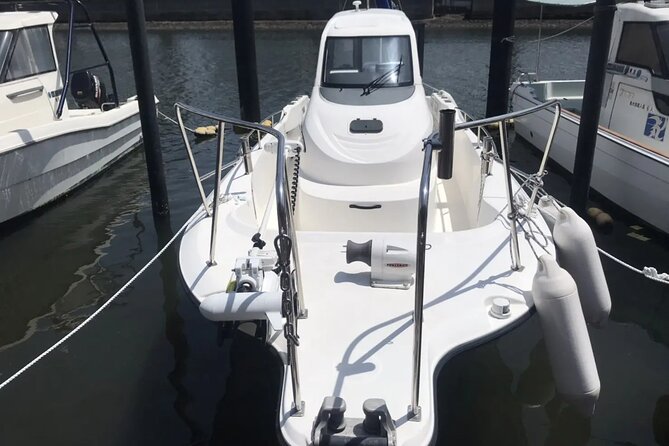
The boat itself is described as safe, but you are expected to carry comprehensive travel insurance for unexpected accidents. This is sensible advice for any outdoor activity on the water. Follow the guide’s instructions, keep your footing secure, and remember that a fishing boat is a working boat, not a stationary sightseeing platform.
Horse mackerel and the pleasure of catching dinner
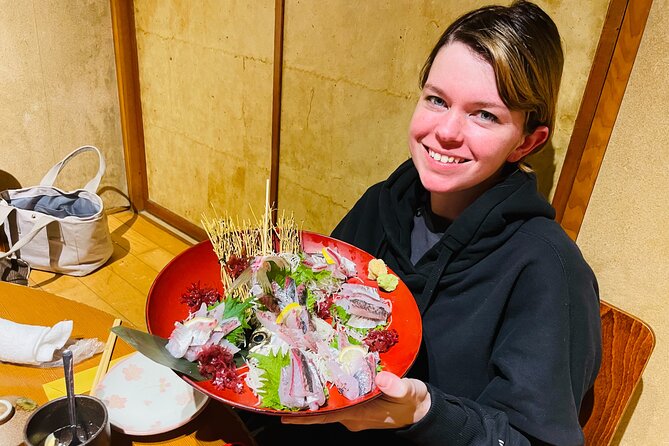
Horse mackerel are the star of this outing. From spring through autumn, schools enter the bay and attract boat and shore anglers. The fish is common in Japanese households, so catching it gives you a small connection to everyday food culture.
I like that the target is not an exotic fish chosen only for sport. Aji is a practical, familiar ingredient, and the activity connects the fishing trip to the meal that follows. You are not simply pulling something from the water and taking a photo. You are catching a fish that can be prepared in several distinctly Japanese ways.
The supplied information does not specify how the catch is cleaned, cooked, or served after the boat returns. Do not assume a restaurant meal or fish preparation is included. If eating your catch is important to you, ask the provider how that part works before booking.
You should also ask about the handling of the fish if you plan to keep it. The description says the fish can be eaten raw, but that does not mean every catch will automatically be served as sashimi. Proper handling matters, especially if you intend to eat fish uncooked.
Same water, another way to fish it:
- Hoi An Cooking Class(Local market,Basket Boat,Fishing & Cooking)
★ 5.0 · 1,323 reviews - Hoi An: Market Experience with Optional Fishing and Cooking
★ 4.7 · 928 reviews - Rovaniemi: Snowmobile and Ice Fishing Adventure with Lunch
★ 4.8 · 879 reviews - Makarounas Fishing Boat Trip with swimming stop and BBQ on board
★ 5.0 · 831 reviews
The guide and the small-group feel
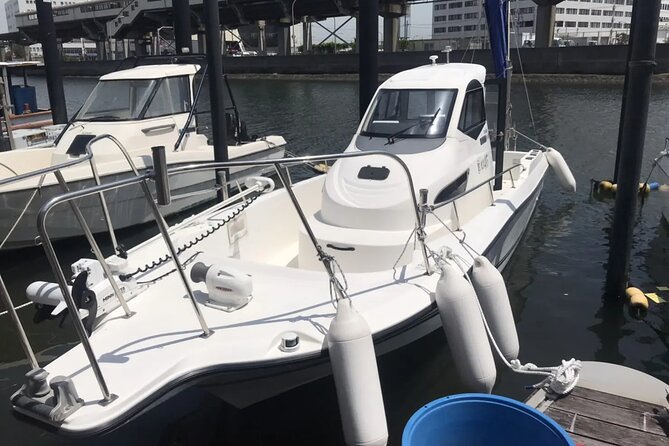
The guide teaches fishing in English, making the outing possible for international visitors who do not know Japanese fishing terms. Moto is specifically associated with a successful trip in which more than 20 mackerel were caught, and the feedback describes him as helpful and informative.
At the same time, the provider notes that English-speaking staff may use a translation application. I would view this as functional English support rather than a promise of a long, polished lecture about Tokyo Bay. The value is getting clear help with the fishing itself.
The group maximum is five people. That is a strong point for a family or a small group of friends, especially if you want to keep track of everyone’s catch. It also makes it easier to ask for help with a knot, a line, or the next step.
Solo participants should confirm how the minimum number works. The activity requires a minimum number of participants, and the provider may cancel if that number is not met. In that case, you are offered another date or a full refund.
What to pack for a morning on the water
Food is not included. Bring bread, rice balls, snacks, and drinks before fishing begins. Vending machines are available, so you may be able to buy something before boarding, but an early pickup gives you less time to search for breakfast.
I would prepare food the night before. A rice ball, bottled water, and a few simple snacks are easier than relying on finding an open shop before dawn. You should also consider that fishing takes several hours, so a small breakfast and extra water are practical choices.
The information says basic ponchos are provided on rainy days and that the boat trip normally continues. This makes light rain less of a concern, but it does not turn the outing into an all-weather activity. Poor conditions may still cause cancellation.
Wear clothing suitable for an outdoor morning and choose shoes that give you secure footing. The supplied details do not list a specific dress code, so keep your clothing practical and avoid bringing items you would regret getting wet or dirty.
Rain, seasons, and the outdoor risk
This is a weather-dependent activity. If poor weather forces cancellation, you will be offered another date or a full refund. If light rain arrives, basic ponchos are provided and the trip is expected to continue.
That policy is fair, but you need to leave some flexibility in your Tokyo schedule. Do not place this activity on the same day as a nonrefundable flight, long-distance train, or another fixed booking. A weather change could move the outing or return your money while leaving you to rearrange your plans.
The target fish is most associated with spring through autumn, when schools enter the bay. The schedule can also change by season, so treat the listed times as estimates. Confirm the final start time, pickup time, and meeting location after booking.
The cancellation policy allows a full refund if you cancel at least 24 hours before the experience start time. Cancellations within 24 hours are not refunded, and changes inside that period are not accepted. Cutoff times use local Tokyo time.
Is the $405 price good value?
At $405, this is not a casual budget activity. The value depends on how much you want a private-feeling fishing outing rather than a standard Tokyo attraction.
The maximum of five helps justify a higher price, especially for a family or close group that wants personal attention. Hotel pickup can also save effort, but only if you pay the additional 20,000 yen per person for tackle and transport. Since fishing tackle is not included in the base price, you need to calculate the full cost before booking.
The basic inclusions are limited. You receive an English fishing guide, while snacks, tackle, and private transportation are excluded. That does not make the experience poor value, but it does make the advertised price less useful as a final budget figure.
I would compare the full cost with the importance of the activity to your trip. If catching fish in Tokyo Bay, eating a local fish, and enjoying a small group are high priorities, the price may feel reasonable. If you simply want a low-cost boat ride or a quick taste of fishing, this is probably too expensive.
Who should book this fishing trip?
This outing suits families, small groups of friends, and first-time fishers who want something active. Children can participate, and the easy fishing method removes much of the intimidation that comes with a technical angling trip.
It also works for anyone who has already seen Tokyo’s main sights and wants a morning connected to local food. The chance to catch horse mackerel and learn how it is used in Japanese cooking gives the activity more meaning than a simple ride around the bay.
I would hesitate to recommend it to someone who dislikes early starts, gets uncomfortable on boats, or needs a guaranteed food experience at the end. The trip is weather-sensitive, the English support may rely on translation software, and the total cost rises once tackle and transportation are added.
The schedule also asks for a full morning plus pickup and drop-off time. You should not book it as a quick activity squeezed between major sightseeing plans.
Final booking advice
Book this trip if you want hands-on Tokyo and like the idea of catching your own meal. The strongest reasons are the small group, simple fishing method, family suitability, and the chance to catch a familiar Japanese fish in Tokyo Bay. Moto’s patient help is another encouraging sign for beginners.
Before paying, confirm the exact pickup time, the extra 20,000 yen per person for tackle and transport, and what happens to the fish after the boat returns. Pack breakfast and drinks, keep the next day flexible in case of bad weather, and allow for the possibility that the English instruction will involve a translation app.
For the right person, this is a memorable change from standard sightseeing. For a budget-conscious visitor or someone seeking a guaranteed meal, it may not be the best use of $405.
FAQ
Where does the boat fishing activity take place?
The activity takes place in Tokyo, with fishing in Tokyo Bay. The tour ends at Ginza Station.
How long does the experience last?
The total experience lasts about seven hours. The listed schedule runs from early hotel pickup to arrival at Ginza Station around 1 p.m.
What time does the activity start?
The meeting information lists a 6 a.m. start time. The schedule lists hotel pickup at 5:30 a.m., so confirm your exact pickup time after booking.
What fish will I target?
The main target is horse mackerel, also called aji. The fish can be prepared as sashimi, grilled fish, tempura, or tartar.
Can children participate?
Yes. The fishing is described as easy enough for small children, and first-time fishers can take part.
Is fishing equipment included?
No. Fishing tackle is not included in the listed inclusions. Tackle and transportation to and from your hotel are available for an additional 20,000 yen per person.
Is hotel pickup included?
Pickup is offered, but private transportation is listed as not included. Transportation to and from your hotel requires the additional charge stated by the provider.
Is food included?
No. Snacks are not included. You should prepare bread, rice balls, snacks, and drinks in advance, though vending machines are available before fishing.
What happens if it rains?
Basic ponchos are provided on rainy days, and the boat fishing trip usually continues. If poor weather causes cancellation, you will be offered another date or a full refund.
What is the cancellation policy?
You can receive a full refund if you cancel at least 24 hours before the experience start time. Cancellations or changes made within 24 hours are not refunded or accepted.
Just landed around the world
- ZANZIBAR FISHING EXPRIENCE★ 3.3 · 6 reviews
- Zanzibar Sea Fishing Boat Tour experience with Transfer★ 3.8 · 16 reviews
- Zante Fishing Tours★ 5.0 · 7 reviews
- Wonga Beach: Hook-A-Barra Fishing Experience★ 4.7 · 16 reviews
- Wonga: Guided Fishing, Farming and Tasting Tour★ 5.0 · 2 reviews
- Ylläs: Snowmobile Adventure with Ice Fishing★ 4.7 · 18 reviews
- From Seoul: Hwacheon Ice Fishing and Lighting Festival Tour★ 4.5 · 4 reviews
- Wismar: Harbor Cruise with Sea Animal Fishing and Guide★ 4.6 · 22 reviews
Japan Fishing Trips, compared.
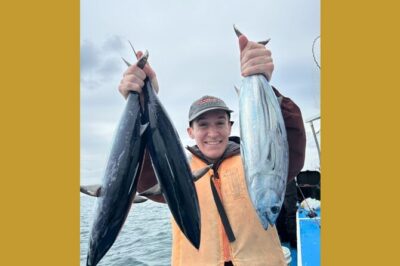
Tokyo Fishing Adventure with Fresh Catch Cuisine
Read our review →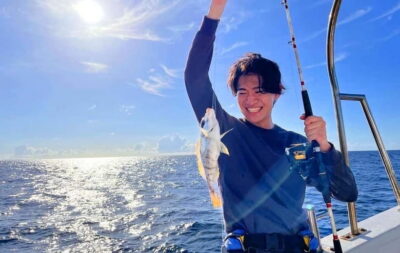
Okinawa: 1/2-Day Private Sea Fishing Charter, Naha w/Pickup
Read our review →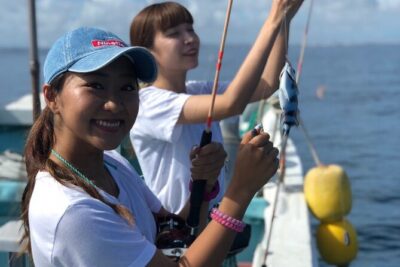
Mangrove Kayak & Sea Fishing Experience in Okinawa
Read our review →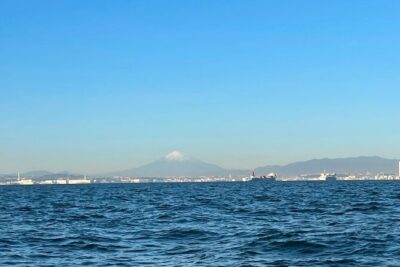
Fishing with Mt. Fuji Views and Japanese Home Cooking Experience
Read our review →
Other lists this trip sits in