
Review · SPAIN
Santoña: Anchovy Art Gallery with Fishing Port and Market
Santoña’s anchovies are not simply something to order with a drink. They are the result of boats, auctions, careful handwork, and a preservation method brought from Sicily. This experience connects those pieces, beginning at the port and ending with a tasting at the Anchovy Art Gallery. Nicolás C. leads the tour in Spanish, French, or English and brings extra physical and online material to explain the trade clearly.
I like the direct look at working harbor life, especially the chance to learn how purse seine vessels operate and how the day’s catch is sold. I also like the old machinery at Conservas Ana María, where the anchovy is treated as a craft rather than a mystery. The main consideration is that the experience depends on port activity, and the program is more educational than leisurely.
Key points to know before booking
- Port life comes first: Learn about Santoña’s fishing vessels, ship registrations, catch sales, and the daily work of the harbor.
- The gallery is a working-history stop: Conservas Ana María displays antique machinery from the early 20th century and explains traditional anchovy processing.
- You see filleting in action: A skilled worker demonstrates how anchovies are cleaned and prepared by hand.
- The tasting is part of the tour: Your ticket includes prepared anchovy fillets at the gallery’s bar or shop.
- Nicolás is the guide to request: His explanations cover both the local fishing trade and the cultural background of Santoña’s anchovies.
- The price is modest: At $20 per person, the tour gives you a guided port visit, gallery entry, and tasting rather than only a museum stop.
Why Santoña’s anchovies deserve a closer look
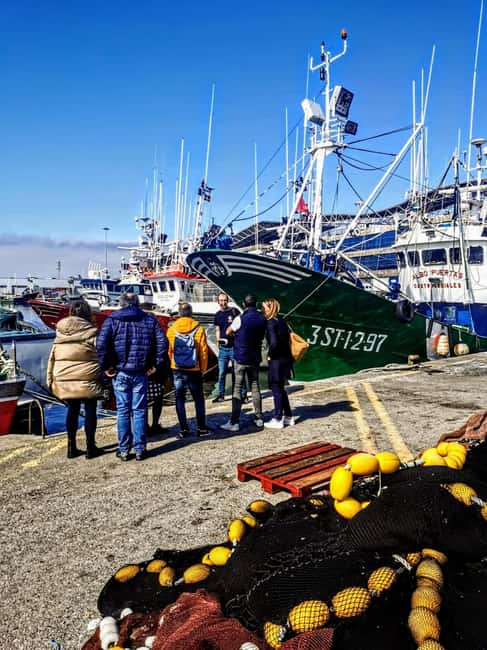
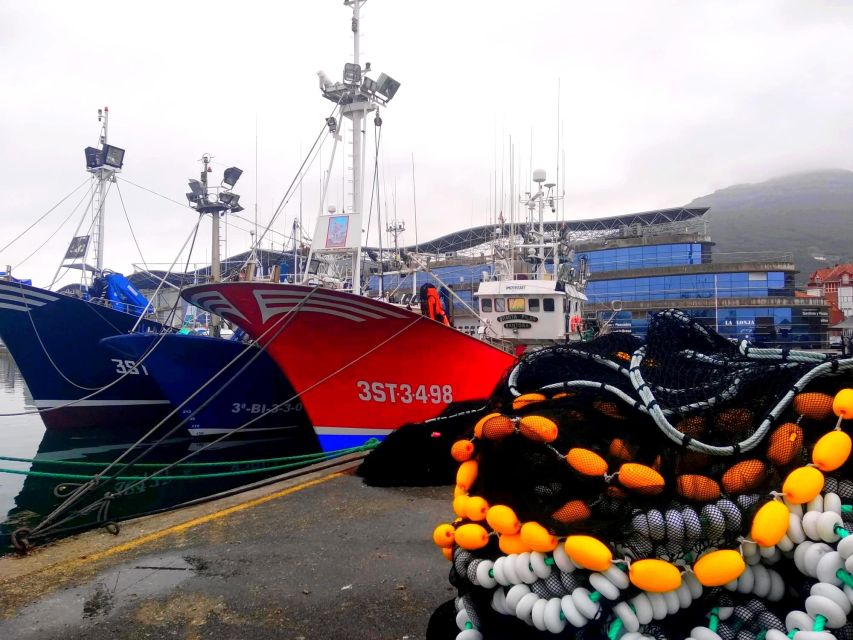
Santoña is one of Cantabria’s major fishing centers, and the port gives you the best starting point for understanding the town. Before you taste an anchovy, you see the setting that supports it: boats returning with their catch, fish changing hands, and local knowledge built around the sea.
That context matters. A preserved anchovy can look like a small, simple snack on a plate. The port shows you the work behind it. You learn how purse seine vessels are used, how ships are identified through their registrations, and how the auction process moves the day’s catch toward buyers and processors.
I appreciate this kind of introduction because it does not treat local food as a detached souvenir. The anchovy is connected to a place, a working harbor, and a trade that still shapes Santoña. You leave with a better idea of why the product matters to the town.
The tour begins at the Mirador de las Marismas and Santoña port area. This gives you an easy meeting point with both the harbor and the nearby views across the marshes. The port portion is guided, followed by a short photo stop, so you have time to look around rather than simply walk from one indoor room to another.
The activity information lists the port visit as a guided segment, followed by a five-minute photo stop. The overall experience is described as a one-day activity, with the main hosted portions focused on the port and the gallery. Since port work can change from day to day, you should see this as an introduction to harbor operations rather than a guarantee of a particular catch or auction event.
More museums and galleries around Spain:
- Private Xi’an Tour: Terracotta Warriors, Hanyangling Museum, Cave Homes
★ 5.0 · 101 reviews
Reading the port through boats and auctions
At the port, Nicolás explains the equipment and routines that can otherwise be easy to miss. Purse seine vessels are especially useful to understand because their method involves surrounding fish with a net. You do not need a background in fishing to follow the explanation, but the details give the visit more substance than a simple walk beside the water.
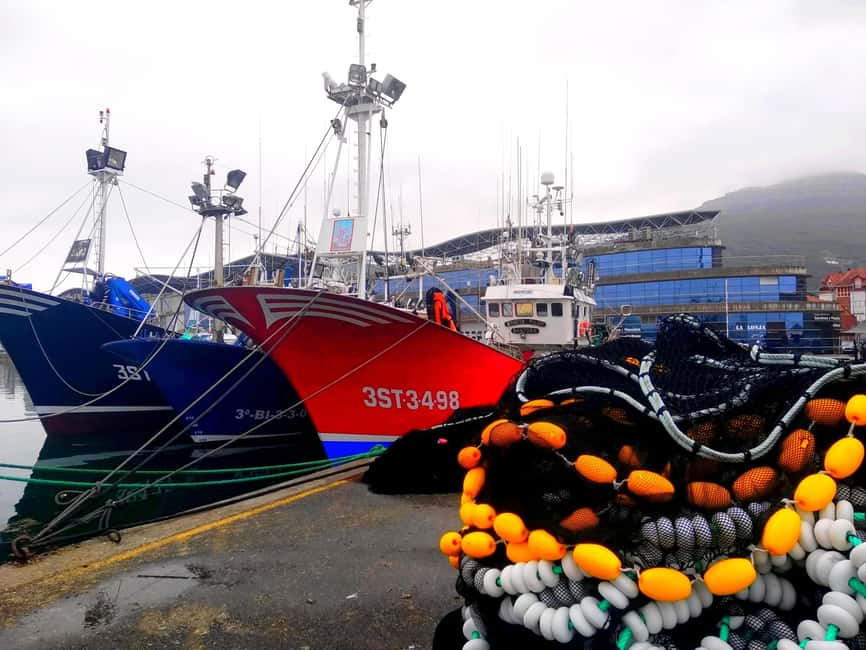
Ship registrations are another small but useful part of the tour. They help you read the boats as working vessels instead of anonymous shapes tied to a quay. Nicolás uses additional material when needed, making technical points easier to follow in English, French, or Spanish.
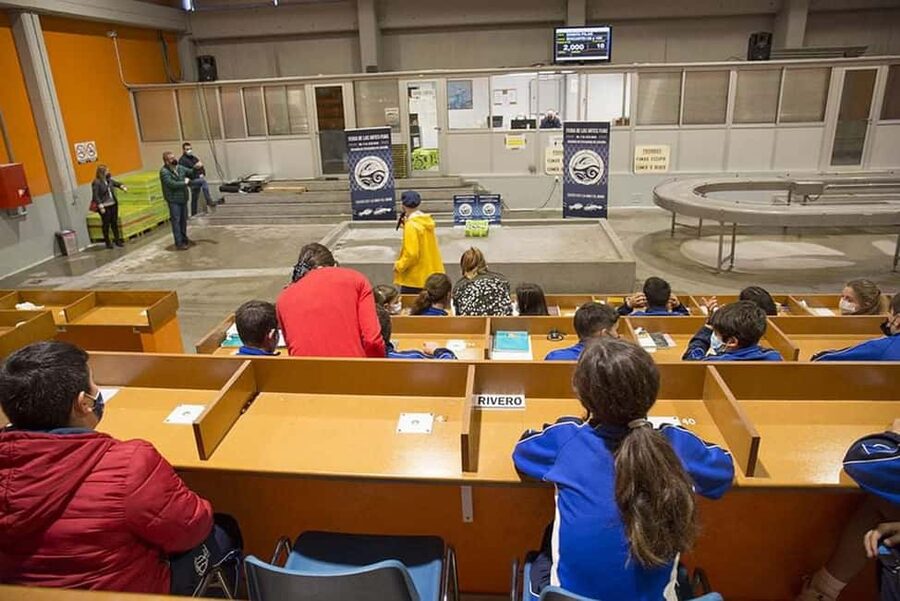
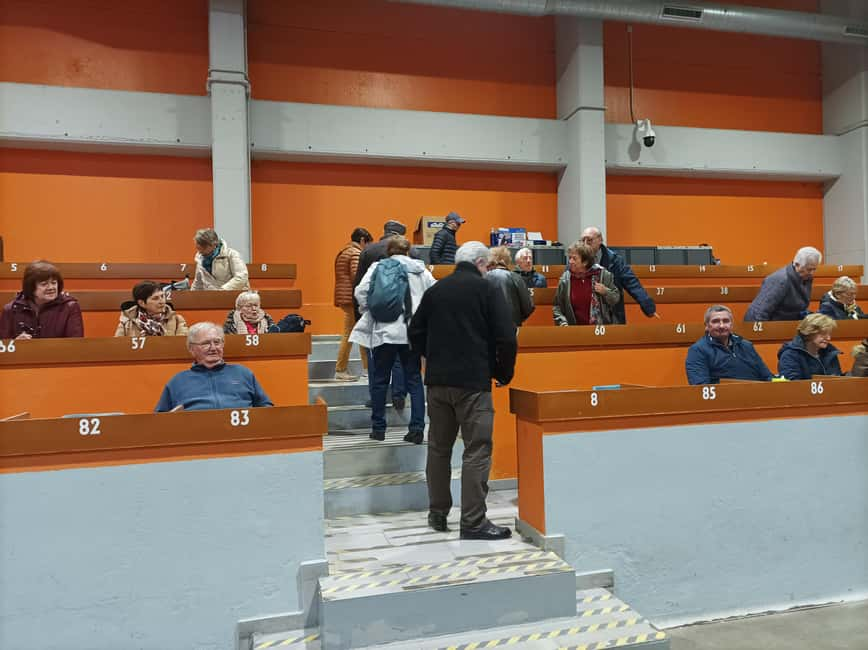
The auction process is one of the most interesting subjects here. Fish do not simply arrive and wait for someone to buy them. The catch enters a system of sale that links the boats to the market and then to processors, restaurants, and shops. Seeing that chain helps explain why timing and activity at the port matter.
You should keep your expectations sensible. This is not advertised as a full behind-the-scenes visit to every part of the market, and the fish auction may not operate in the same way at every hour. The value comes from the guide’s explanation of how the system works and from seeing the harbor in its working setting.
The short photo stop gives you a pause after the port discussion. It is not a separate sightseeing program, but it helps break up the information and lets you take in Santoña’s waterfront before moving to the gallery.
Inside Conservas Ana María’s Anchovy Art Gallery
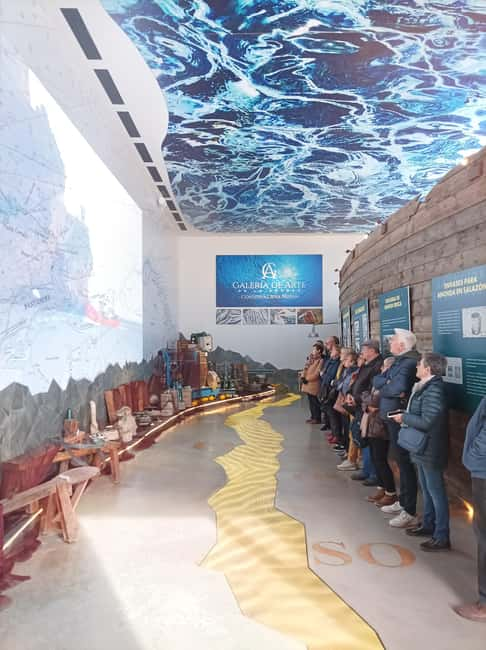
The second major stop is the Anchovy Art Gallery at Conservas Ana María. The name may suggest a standard food shop, but the gallery is built around the history and equipment of the local trade. Antique machinery dating from the early 20th century gives the visit a physical link to earlier methods of production.
Old machines are useful here because they show how much of the work was once done with direct handling and basic tools. Rather than seeing only polished tins on a shelf, you see equipment connected to the stages behind them. The gallery helps you understand that anchovy processing is not just about preservation. It is also about precision, timing, and repeated handwork.
One of the tour’s strongest subjects is the Sicilian origin of anchovy filleting in the Cantabrian Sea. That detail adds an important piece of cultural history. Food traditions often cross borders through working people, and this story shows how a technique from Sicily became part of Cantabria’s coastal identity.
Nicolás explains the connection in a way that links migration, trade, and local production. His language ability is helpful if you are visiting from abroad, and his use of extra material can make the history easier to picture. The guide has been especially praised for explaining the subject carefully and for paying attention to whether the group is following along.
Watching the filleting demonstration
The filleting demonstration brings the gallery’s story down to the level of the hand. A skilled worker shows how anchovies are filleted and prepared. This is a short but important part of the visit because it lets you see the care needed to turn a small fish into the neat fillet served at the end.
You can expect a demonstration rather than a hands-on workshop. The focus is on watching the process and understanding the skill involved. That distinction matters if you are hoping to prepare the fish yourself. The activity includes the demonstration and tasting, but no hands-on cooking lesson is specified.
I like this part because it changes how you look at the final product. A fillet has a clean, simple appearance, yet getting it ready calls for steady work. The demonstration also gives meaning to the gallery’s older machinery and to the idea of artisanal preparation.
The worker’s technique is part of the attraction. You are not only hearing about the process from a guide. You are also seeing someone who knows the trade carry it out. That mix of explanation and demonstration makes the visit useful for anyone interested in food production, fishing, or traditional work.
More fishing trips around Spain:
- World Class Fishing Charter Trip in Tenerife
★ 4.5 · 110 reviews - Adeje: 3.5–Hour Professional Fishing Experience
★ 4.3 · 107 reviews - Fishing Trip all included
★ 4.3 · 77 reviews - Fishing trip, Tenerife Sea Passion
★ 4.5 · 68 reviews
Tasting the anchovy at the gallery bar
The tour ends with an anchovy tasting at the bar or shop inside the Anchovy Art Gallery. Your ticket includes prepared anchovy fillets, so you get to taste the product after learning how it reaches the plate.
This is not a large meal. Think of it as a focused regional tasting, with the anchovy at the center. The flavor is savory and pronounced, and the tasting works best if you already enjoy seafood or want a clear introduction to one of Cantabria’s signature foods.
I find this sequence effective: first the port, then the equipment and history, then the technique, and finally the food. You can connect what you eat with the boats, the auction, the preservation work, and the filleting demonstration. That is much more satisfying than sampling a product without knowing anything about it.
The tasting also helps you judge the product for yourself. Some people love the strong, salty character of anchovies. Others may find it intense. Because the tasting is included, you can try the local specialty without committing to a full meal or a large purchase.
What $20 buys you
At $20 per person, this is a good-value experience for anyone who wants more than a quick stop at the port. The price includes entry to the Anchovy Art Gallery and the anchovy fillet tasting, as well as the guided portions at the port and gallery.
The value comes from the combination. A museum visit alone would give you objects and explanations. A market walk alone would give you movement and atmosphere. Here, you get the harbor, the working process, a guide, a demonstration, and a taste of the finished product in one compact experience.
The price is less attractive if you only want a casual view of Santoña or if you do not care about seafood. The tour’s subject is specific, and the tasting centers entirely on anchovies. You are paying for local context and instruction, not for a broad food tour or a long list of dishes.
For food-minded visitors, the cost is easy to justify. You gain a better understanding of a product that is central to the town, and you can decide afterward if you want to buy anchovies from the gallery shop. The activity does not state that additional products are included, so purchases beyond the tasting would be separate.
Nicolás C. and the language choice
The guide makes a noticeable difference on a subject with technical terms and local history. Nicolás C. leads in Spanish, French, and English, and he has material on hand to support his explanations. His presentation covers both the practical side of fishing and the story of anchovy production.
I would choose the language in which you can ask questions comfortably. The port section includes boat types, registrations, and auctions, while the gallery section moves into machinery, Sicilian methods, and filleting. You will get more from the tour if you can follow those details rather than treating the visit as a simple walk.
Nicolás has been described as fluent, attentive, and passionate about the subject. That comes through in the type of experience offered: the tour is built around explanation, not just directions from one stop to the next. He also aims to make sure the group understands the material, which is useful when the subject is unfamiliar.
The current rating is 4.5 out of 5 from four ratings. The strongest praise focuses on Nicolás’s clear explanations, subject knowledge, and ability to make the history of Santoña’s anchovy trade understandable.
Timing, meeting point, and practical expectations
You meet at the Mirador de las Marismas and Santoña port area. The tour returns to the same general starting point after the gallery visit, which keeps the route simple and avoids the need to arrange separate transportation between the port and Conservas Ana María.
The listed program includes a guided port visit, a five-minute photo stop, and about 40 minutes at Conservas Ana María for the guided visit and tasting. The activity is valid for one day, and starting times depend on availability.
The information provided also gives the port segment as 30 hours, which is clearly inconsistent with the one-day format and the shorter gallery schedule. Treat the exact port duration as something to confirm when choosing a start time. The sensible expectation is a guided visit focused on the harbor, followed by the gallery and tasting.
Wear practical clothing for a port setting and be ready to spend time listening outdoors. Specific accessibility details are not provided, so you should ask the provider if mobility, seating, or other access needs are important for you.
Cancellation is flexible: you can cancel up to 24 hours before the activity for a full refund. You can also reserve and pay later, which helps if your Cantabria plans are still shifting.
Who will enjoy this experience most
I would recommend this tour to anyone who likes to understand local food at its source. It suits visitors interested in fishing, food production, working ports, regional identity, and traditional skills.
It is also a good choice if you are traveling with someone who wants more than a standard sightseeing walk. One person can focus on the boats and auction system, while another can enjoy the machinery, filleting, and tasting. The subject is narrow, but the route gives it several angles.
Families with older children may find the demonstration and boats engaging, though the tour is mainly educational rather than built around games or activities for young children. Food lovers should appreciate the chance to taste the product after seeing how it is prepared.
I would think twice if you dislike anchovies, expect a large meal, or want a full tour of every part of Santoña. The experience is focused, and its strength is that focus.
Should you book the Santoña anchovy tour?
Book it if you want to understand why Santoña’s anchovies matter, not just sample them. For $20, you get a port introduction, local fishing context, an old machinery collection, a filleting demonstration, and a tasting led by a multilingual guide.
The best reason to go is the connection between the harbor and the plate. Nicolás C. adds the explanation that turns a small fish into a story about boats, auctions, migration, technique, and local work.
Skip it if you want a broad sightseeing tour, a substantial meal, or a hands-on cooking class. But if you have an interest in Cantabrian food and want an experience with a real working-place focus, this is a practical and fairly priced choice.
FAQ
Where does the Santoña anchovy tour begin?
The meeting point is at the Mirador de las Marismas and the Santoña port area.
What places are included in the experience?
The tour includes Santoña’s fishing port and the Anchovy Art Gallery at Conservas Ana María. It also includes a short photo stop before the gallery visit.
What can I learn at the fishing port?
You can learn about purse seine vessels, ship registrations, the daily work of the port, and the auction process used to sell the day’s catch.
What is at the Anchovy Art Gallery?
The gallery contains antique machinery dating from the early 20th century and explains the history of anchovy processing in the Cantabrian Sea.
Is anchovy tasting included?
Yes. Entry to the Anchovy Art Gallery and a tasting of prepared anchovy fillets are included.
Who guides the experience?
The experience is provided by Nicolás C. Servicios Turísticos. Nicolás C. is identified as the guide, and tours are offered in Spanish, French, and English.
How much does the activity cost?
The listed price is $20 per person.
Can I cancel the booking?
Yes. You can cancel up to 24 hours in advance for a full refund. You can also reserve now and pay later.
Just landed around Spain
- TUNA FISHING TRIPS IN FUENGIROLA★ 4.3 · 5 reviews
- Fishing trip Torrevieja★ 4.5 · 14 reviews
- Best Fishing experience in Tenerife island★ 4.5 · 6 reviews
- Fly Fish Experience Tenerife★ 4.0 · 5 reviews
- 4 Hours Bottom Fishing Day by boat from Marbella★ 5.0 · 23 reviews
- Fishing Trips in Mallorca with Captain Martin★ 3.0 · 6 reviews
- Macaronesia Charter Fishing in Lanzarote (Canary Islands)★ 5.0 · 17 reviews
- Jeep Wrangler Tour Ibiza★ 5.0 · 18 reviews
Spain Fishing Trips, compared.
Adeje: 3.5–Hour Professional Fishing Experience
Read our review →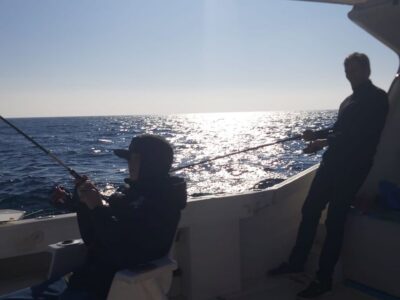
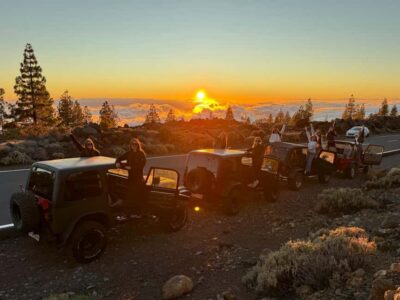
Tenerife: Jeep Wrangler Tour to Mount Teide, Day and Sunset
Read our review →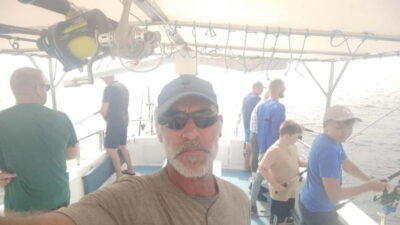
Other lists this trip sits in