
Review · WORLDWIDE
Mumbai Coastal Cooking: From Fishing Net to Flavourful Plate
Mumbai’s story began on seven islands, long before high-rises and traffic filled the city. This three-hour experience brings you close to one of its oldest working communities, with a fish market visit and a cooking lesson in a fisherman’s home. You may see boats, net weaving, docks, and a historic festive ground linked to British rule.
I like the way the tour connects food with daily life, rather than treating cooking as a stand-alone class. I also like the personal welcome from Kavita or Kavitha, who teaches in English and includes her husband Ravi in the meal and conversation. One thing to keep in mind: access to the fishermen’s village can change, so the outing may become mainly a home cooking session instead of the full walking route.
Key points to know before booking
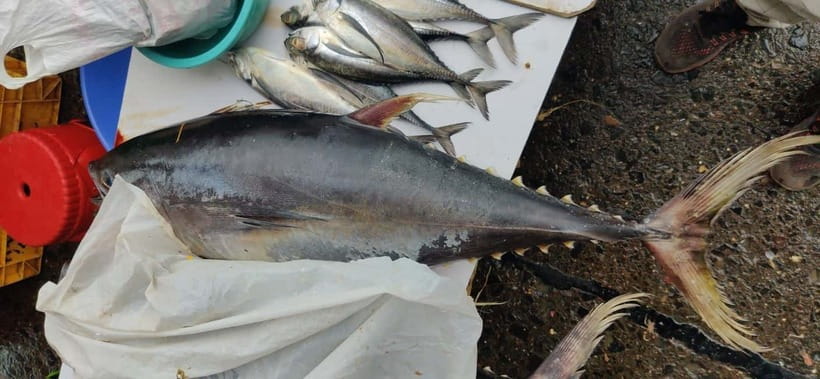
- The experience begins with Mumbai’s fishing culture, including a village, beach, boats, docks, and traditional net work when access allows.
- The fish market adds real local context, with fisherwomen selling fresh catches in colorful sarees.
- Kavita or Kavitha leads the cooking lesson in English, with a warm, personal approach.
- The menu can include fish curry, fried mandeli, rice, roti, chapati, chicken, and a sour-spicy drink.
- The listed price is $21 per person, strong value for a private three-hour cultural and food experience.
- The route is not fixed in every detail, since village access restrictions have changed the plan for some bookings.
Mumbai’s fishing story begins on the shore
Mumbai is often sold through grand buildings, Bollywood, and crowded streets. This experience takes a different route. It focuses on the fishing community that helped sustain the city when the area was still a group of seven islands.
You begin at a designated meeting point, which can vary according to the option you book. From there, a tuk-tuk takes you toward the fishermen’s village. The ride itself is useful: you are not being sealed inside a tour bus, and you move through ordinary parts of Mumbai on a small, local form of transport.
The village visit is meant to include a historic festive ground connected with British history. You then head toward the beach to see fishing boats and watch net weaving. At the docks, you get a look at the work behind the seafood sold in local markets. This is not a polished heritage attraction. It is a working neighborhood, and conditions can depend on local access.
That last point matters. Access restrictions have prevented the village visit on at least some occasions. When that happens, the experience shifts to Kavita or Kavitha’s home, sometimes with a market visit or local shopping trip added. You should book this for the people, food, and cultural exchange, not for a guaranteed checklist of every outdoor stop.
More fishing trips around the world:
- Tromsø: Arctic Fjord Cruise & Fishing Experience
★ 4.7 · 4,588 reviews - Cooking Class Hoi An:Local Market, Basket Boat, Fishing & Cooking
★ 5.0 · 3,660 reviews - Hoi An Cooking Class(Market,BasketBoat Crabfishing&Cooking Class)
★ 5.0 · 3,386 reviews
What the tuk-tuk and dock visits add
The tuk-tuk ride gives the outing a practical Mumbai feel. It is a short transfer, not a sightseeing ride with a running commentary at every corner, but it gets you into the community without the formality of a large group tour.
At the beach, the boats help explain the scale of the fishing trade. You can see where the work begins before fish reach the market or a family kitchen. Net weaving is another useful detail. It shows that fishing is not just about going out on the water. Nets require skill, upkeep, and time, and watching that work gives the food later in the tour a clearer connection to local life.
The docks are also likely to feel more direct than a museum display. You may see people working, boats being handled, and the practical side of a trade that has shaped Mumbai for centuries. The drawback is that this part is dependent on access and timing. If you want a predictable sightseeing schedule, this is less reliable than a conventional city tour.
Inside the fish market with local sellers
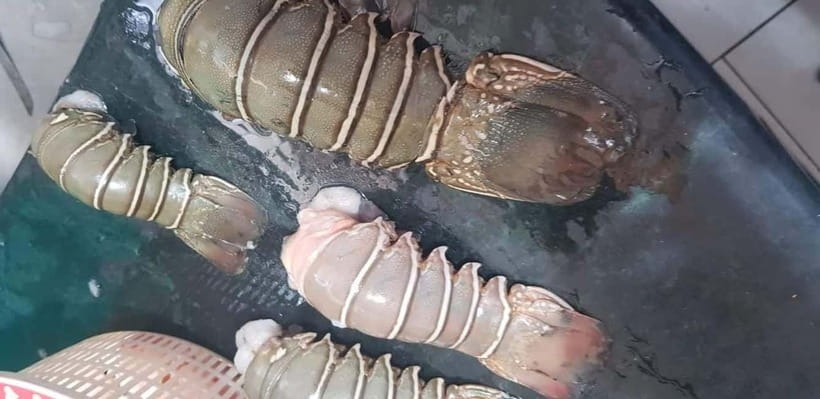
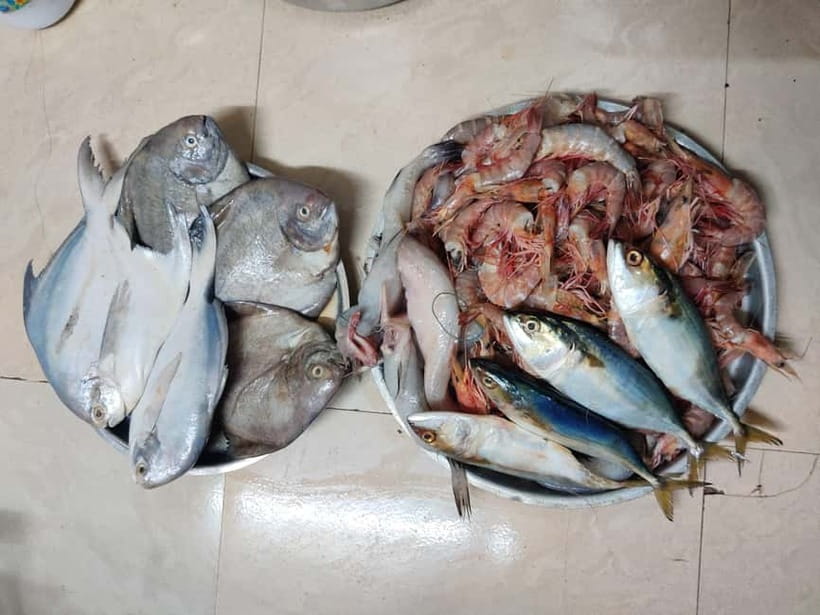
The fish market is one of the strongest parts of the plan. You walk among sellers, fresh catches, and fisherwomen in colorful sarees. It is a chance to see how seafood is bought and sold for everyday cooking, rather than presented as a restaurant ingredient with its origins hidden.
For you, the market visit gives useful context before the cooking class. Fish curry tastes different when you have just seen the kind of food being sold locally. You also get a short window into the role of women in the fishing trade and household food culture.
This is a sensory stop, so expect noise, movement, and the smells of fresh seafood. It may not suit everyone, especially if you dislike markets or have trouble with strong food odors. Still, I would choose this over a staged demonstration because it connects the meal to a real neighborhood economy.
One booking included a shopping trip through a residential area reached by metro rather than the expected route. That kind of change can be valuable if you enjoy seeing people handle normal errands and daily shopping. It also confirms that the exact sequence may shift depending on local conditions.
Cooking with Kavita and Kavitha in a local home
The heart of the experience is the home cooking session. Host names appear as Kavita and Kavitha in the available information, so you may see either spelling when booking. She speaks very good English and teaches at a steady pace, explaining what she is doing rather than simply putting a finished dish in front of you.
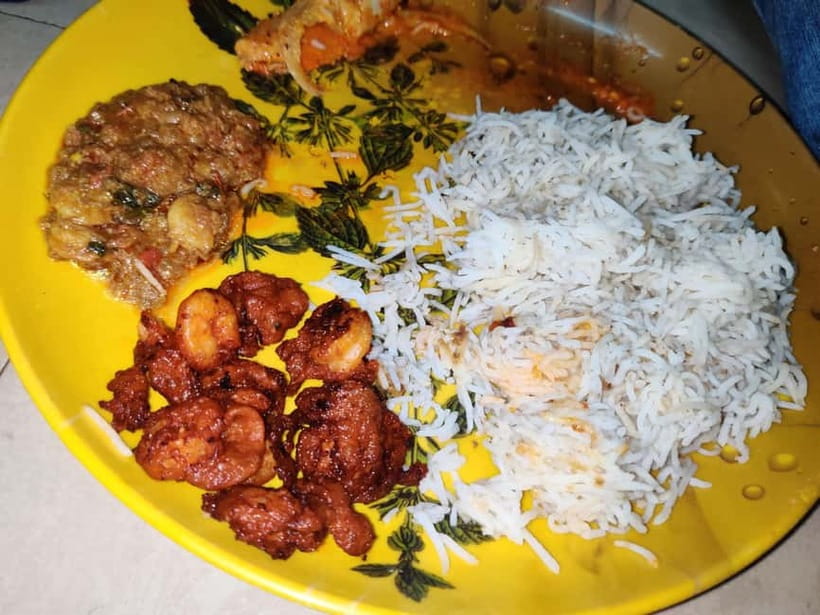
The food can include fish curry, fried mandeli, rice, roti, chapati, chicken, and a sour-spicy drink. The exact combination may vary, but the focus is clearly on coastal and home-style Indian food. You get more than a recipe. You see how several parts of a meal come together.
The hands-on part is real, although you should not expect to prepare every dish from start to finish. One participant helped fry a batch of mandeli, while another learned the process for fish curry, fried fish, roti, and chapati. That is a sensible setup for a short class: you take part, but the host keeps the meal moving.
Kavitha’s husband, Ravi, may join once the food is ready. This turns the meal into a conversation as well as a class. You can ask about food customs across India, family life, and the host’s own story. The English-language setting makes it easier to ask questions without relying on gestures or translation.
The home setting is important. It gives you a closer look at everyday life in Mumbai than you would get from a restaurant kitchen. It also means you should arrive with an open mind. This is someone’s home, not a commercial cooking school, and the experience is personal by design.
Same water, another way to fish it:
- Hoi An Cooking Class(Local market,Basket Boat,Fishing & Cooking)
★ 5.0 · 1,323 reviews - Hoi An: Market Experience with Optional Fishing and Cooking
★ 4.7 · 928 reviews - Rovaniemi: Snowmobile and Ice Fishing Adventure with Lunch
★ 4.8 · 879 reviews - Makarounas Fishing Boat Trip with swimming stop and BBQ on board
★ 5.0 · 831 reviews
The menu: fish curry, mandeli, roti, and more
The seafood dishes are the main reason to choose this activity. Fish curry offers a lesson in how coastal cooking builds flavor through seasoning and technique, while fried mandeli gives you a simpler comparison: crisp, direct, and suited to a shared meal.
Roti and chapati add another skill. They look simple, but shaping and cooking flatbread takes practice. The host provides guidance, so you get a chance to try without being left to guess your way through the process.
Rice rounds out the meal, and the chicken dish gives the class a broader view of home cooking beyond seafood. A sour-spicy drink may also be prepared. That detail is easy to overlook, but it shows that the meal is planned as a full spread rather than one fish dish followed by a quick tasting.
The best feature is the explanation. Kavita or Kavitha talks through the steps and answers questions while preparing the meal. You can ask why a technique is used, how food differs across India, or how seafood fits into local eating habits. This makes the class useful even if you do not plan to recreate every recipe at home.
What the $21 price really buys you
At $21 per person, this is inexpensive for a private three-hour activity that can include transport by tuk-tuk, the fishing village, a fish market, and a meal with cooking instruction. Even if the outdoor route changes, the price still covers a personal class and food in a local home.
The value comes from access rather than from the number of sights. You are paying for time with a host, a meal, an English-language lesson, and a glimpse of local life that is hard to arrange on your own. A standard market visit might cost little, but it would not normally include an introduction to the sellers, a home meal, and cooking instruction afterward.
The price is especially appealing for solo visitors and couples. The group is private, so you are not sharing the kitchen with a large coach party. That can make it easier to ask questions and shape the conversation around your interests.
There is one fair warning about value. The written plan promises several stops, but access restrictions can reduce the village portion. If your main goal is net weaving, boats, and docks, you should confirm the current route before booking. If your main goal is seafood cooking and meeting a local family, the price remains strong.
Timing, group size, and practical planning
The listed duration is three hours, though home-based sessions have lasted about three to four hours. Keep some flexibility in your schedule, especially if you want time to talk and eat without rushing.
The experience is a private group, which is a major advantage in a home kitchen. The host or greeter speaks English, and the cooking instruction is provided in English. The meeting point can vary by booking option, so check the exact details before setting off.
Wear comfortable clothes suitable for a kitchen and market. The information does not specify a dress code, equipment list, or transport schedule beyond the included tuk-tuk ride, so do not assume that every booking follows the same route. Confirm any detail that matters to you, especially if you have a tight connection afterward.
Cancellation is flexible up to 24 hours before the experience for a full refund, and you can reserve now and pay later. Those terms help if your Mumbai plans are still changing.
Who will enjoy this Mumbai experience most
I would choose this for you if food is your way into a city. You will get the most from it if you like asking questions, trying unfamiliar dishes, and spending time in a local home rather than moving quickly between famous sights.
It also suits visitors who want a smaller, more personal activity. The private format lets you focus on the parts that interest you, from fishing methods to Indian food culture. Couples, solo visitors, and small families may find the setting more comfortable than a large class.
This is less suitable if you need a tightly controlled itinerary. The village route can change, and the experience may focus almost entirely on cooking and conversation. It is also not the best pick for someone who wants a formal chef-led class with measured ingredients, printed recipes, and a professional demonstration kitchen.
The five-star rating is supported by the strongest parts of the experience: the host’s English, the warm welcome from Kavita or Kavitha and Ravi, the quality of the food, and the chance to talk openly about daily life. Those are the elements I would value most here.
Should you book it?
Book this if you want a personal food experience tied to Mumbai’s fishing culture, and if you can accept some flexibility in the outdoor route. The fish market, local boats, net work, and village visit give the tour its setting, but the home meal is the dependable core.
Do not book it solely for guaranteed access to the fishermen’s village. Instead, think of it as a private cultural meeting that may begin with a tuk-tuk ride and market walk, then finish with fish curry, fried mandeli, roti, and conversation in a local home.
At $21, that is a good deal. You leave with a meal, new cooking skills, and a clearer sense of how Mumbai’s coastal traditions still shape everyday food.
FAQ
How long does the experience last?
The listed duration is three hours. Some home cooking sessions have lasted about four hours, so keep a little extra time available.
What is the price?
The listed price is $21 per person.
Is the experience private?
Yes. It is offered as a private group experience.
Is the activity conducted in English?
Yes. The host or greeter language is English, and Kavita or Kavitha speaks English during the cooking and conversation.
What is included?
The activity includes a visit to the fisherman’s village, a tuk-tuk ride, a fish market visit, and a coastal food cooking class.
What food might I prepare?
The class can include fish curry, fried fish such as mandeli, rice, roti, chapati, chicken dishes, and a sour-spicy drink.
Can the fishermen’s village visit change?
Yes. Access restrictions have made the village visit unavailable on some occasions, in which case the experience may focus on cooking in the host’s home.
Where is the meeting point?
The meeting point may vary depending on the option booked. Check the details for your selected option.
Can I cancel the booking?
Yes. You can cancel up to 24 hours in advance for a full refund. You can also reserve now and pay later.
Just landed around the world
- ZANZIBAR FISHING EXPRIENCE★ 3.3 · 6 reviews
- Zanzibar Sea Fishing Boat Tour experience with Transfer★ 3.8 · 16 reviews
- Zante Fishing Tours★ 5.0 · 7 reviews
- Wonga Beach: Hook-A-Barra Fishing Experience★ 4.7 · 16 reviews
- Wonga: Guided Fishing, Farming and Tasting Tour★ 5.0 · 2 reviews
- Ylläs: Snowmobile Adventure with Ice Fishing★ 4.7 · 18 reviews
- From Seoul: Hwacheon Ice Fishing and Lighting Festival Tour★ 4.5 · 4 reviews
- Wismar: Harbor Cruise with Sea Animal Fishing and Guide★ 4.6 · 22 reviews