
Review · SINGAPORE
Beginner Angler’s Course
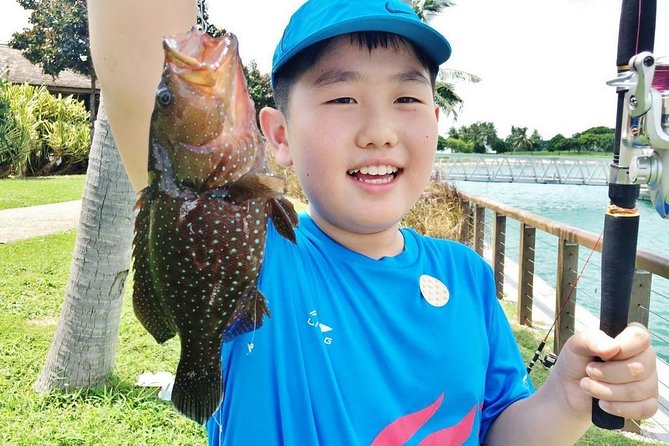
Singapore’s Beginner Angler’s Course takes you away from the city and into a hands-on lesson around Lazarus Island, where you learn the basics instead of simply borrowing a rod and hoping for luck. The course covers equipment, fish behavior, knots, and safe fish handling, then gives you time to use those skills on the water.
I like the small maximum group of 10, since beginners need room to ask simple questions without feeling rushed. I also like the clear preparation: you watch online tutorials, tie at least one paternoster rig, and complete a quiz before the practical session. The main drawback is that Lazarus Island has no food stalls, and the course requires you to be comfortable standing near the sea.
Key points to know before booking
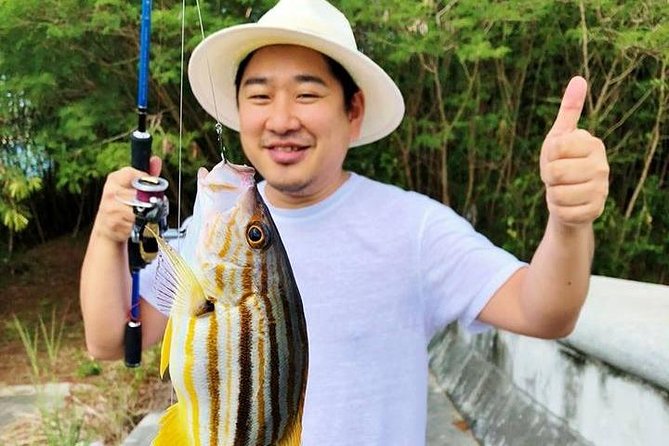
- Lazarus Island setting: The course takes place offshore from Singapore, giving you a quiet change of scene from the mainland.
- Built for beginners: No fishing experience is required, and the lessons start with basic equipment and knots.
- Practice before the boat session: Online tutorials, a rig-tying task, and a quiz prepare you for the practical day.
- Patient instruction: Instructors including Franky, Aloysius, Raymond, and Francis are praised for clear explanations and steady help.
- Bring your own supplies: Fishing equipment is included, but bottled water, food, and rubbish bags are not.
- Small-group format: The maximum group size is 10, which should allow more direct help with rods, knots, and fish handling.
Starting at 11 Cove Drive at 9 a.m.
Your day begins at 11 Cove Dr, Singapore 098497, with a listed start time of 9 a.m. The activity returns to this meeting point, so you do not need to arrange a separate end location.
The setting matters here. This is not a quick fishing demonstration beside a city hotel. You make your way to an offshore island, and the change in surroundings is part of the appeal. Lazarus Island offers a scenic break from Singapore’s dense urban core, while the sea gives the lesson a useful sense of place.
The course information describes the experience as a full-day fishing course, while the tour details list a duration of about four hours. Check the confirmed schedule carefully when your date is accepted. That difference may affect how much food and free time you plan for.
The meeting point is near public transportation, which helps if you are not traveling by car. Confirmation arrives within 48 hours of booking, subject to availability. Since the activity requires a minimum number of participants, a cancellation is possible if that number is not reached. In that case, you are offered another date or experience, or a full refund.
More fishing trips around the world:
- Tromsø: Arctic Fjord Cruise & Fishing Experience
★ 4.7 · 4,588 reviews - Cooking Class Hoi An:Local Market, Basket Boat, Fishing & Cooking
★ 5.0 · 3,660 reviews - Hoi An Cooking Class(Market,BasketBoat Crabfishing&Cooking Class)
★ 5.0 · 3,386 reviews
Preparation begins before you reach the island
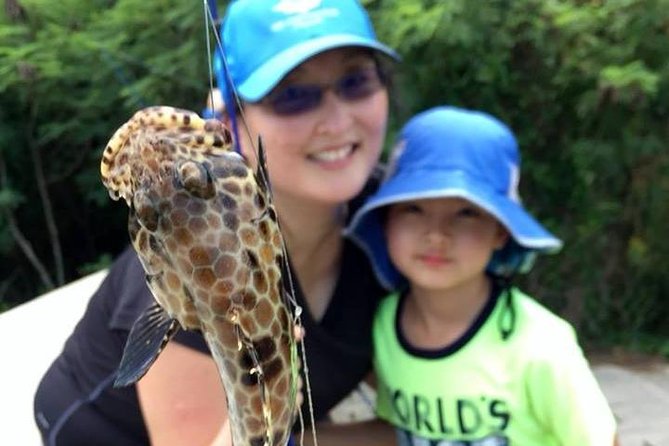
This course asks you to do more than show up and wait for an instructor to fix your line. After booking a date for the practical session, you receive a link to online tutorials. You then tie at least one set of paternoster rig and complete an online quiz.
That preparation is a real strength. Fishing can seem simple until you face a rod, line, hooks, and knots all at once. By asking you to work through the basics before the practical session, the course gives you a head start and makes the time on the water more useful.
The paternoster rig is a good first assignment because it makes you handle the parts of a basic fishing setup. It may feel fiddly if you have never tied fishing knots, but that challenge is part of the lesson. You begin to understand how the line is arranged rather than treating the gear as a mysterious object supplied by someone else.
The course does not require previous experience. It does, however, recommend that you do not have a phobia of standing near the sea. That is worth taking seriously. This is a sea-based activity, so you should feel reasonably comfortable around open water and working from a boat or waterfront setting.
Morning theory: gear, knots, and fish behavior
The theory portion gives you the foundation needed for the practical work. You learn about fishing equipment, how to tie knots, fish behavior, and the basics of handling a catch.
I especially like the emphasis on fish behavior. A beginner can easily think fishing is just casting a line and waiting. Learning how fish behave gives you a better idea of why technique matters and why patience is part of the sport.
The knot lesson is likely to be the most hands-on part of the classroom work. Several of the instructors are praised for explaining complicated knots patiently and clearly. Aloysius is singled out for making fishing easy to understand while also explaining the subject at a deeper level. That combination is useful: you need a simple first step, but you also want enough context to keep learning after the course.
Instructors named in the feedback include Franky, Frankie, Raymond, Francis, and Aloysius. Franky is described as friendly, welcoming, and clear. Raymond and Francis receive praise for patient explanations, especially when students were learning difficult knots. Aloysius is noted for helping a complete beginner catch around 20 fish during one session, though you should not treat that number as a promise. Fishing results depend on conditions and luck.
The small group limit helps here. With no more than 10 people, you have a better chance of getting direct help when a knot slips, a line tangles, or you are unsure how to hold the rod. For a first lesson, that personal attention can be more valuable than a long list of features.
Afternoon practice on the water
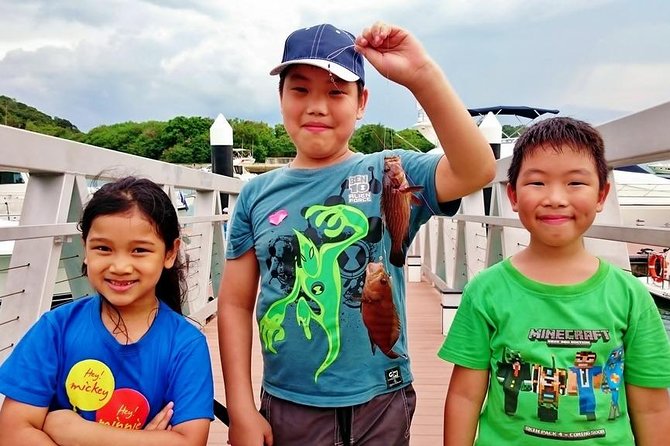
After the theory and preparation, you put the lessons into practice. You use the fishing equipment supplied by the academy and work with the rod, line, and rig in a real fishing setting.
This is the point where the course earns its price. A beginner’s lesson that stays on land can explain technique, but it cannot show you what to do when you actually feel a fish take the line. Here, you have the chance to apply the knots, equipment knowledge, and fish behavior lessons in the same setting where they matter.
You are taught how to use a fishing setup with confidence and how to handle a fish that is caught. Those skills are practical and transferable. Even if you do not develop fishing into a hobby, you leave with a clearer idea of how the sport works and what responsible handling requires.
Puffer fish appear in the course feedback, including a student who successfully caught one after applying the lessons. That does not mean every participant will catch a puffer fish, or any particular number of fish. It does show the type of catch that may turn up in these waters.
The course may also appeal to someone who has fished before but wants a more orderly refresher. One participant with past experience found the knot work and explanations useful. If you already know how to cast and rig a rod, some parts may feel basic, but the structured approach can still help tidy up gaps in your technique.
Same water, another way to fish it:
- Hoi An Cooking Class(Local market,Basket Boat,Fishing & Cooking)
★ 5.0 · 1,323 reviews - Hoi An: Market Experience with Optional Fishing and Cooking
★ 4.7 · 928 reviews - Rovaniemi: Snowmobile and Ice Fishing Adventure with Lunch
★ 4.8 · 879 reviews - Makarounas Fishing Boat Trip with swimming stop and BBQ on board
★ 5.0 · 831 reviews
What the instructors add to the experience
The strongest feature of this course is the teaching. Good fishing instruction requires patience because beginners often need the same movement shown more than once. The feedback consistently points to patient instructors who explain clearly and answer questions without making the process feel intimidating.
Franky is mentioned by name as friendly, welcoming, and helpful. Patsy, who handles customer service, is praised for answering questions promptly before the activity. Raymond and Francis are associated with calm guidance through the theory and knot work. Aloysius is praised for making fishing understandable and helping one beginner gain confidence quickly.
Those names give you a useful sense of the operation, but your instructor may depend on the date. The important point is the teaching approach: simple explanations, repeated guidance, and support during the practical work.
I would value that more than a flashy boat or a long list of included extras. When you are learning to tie a rig or handle a fish, a patient instructor can save the day. You should still expect to take part. This is not a sightseeing cruise where someone else does the work for you.
Food, water, toilets, and small practical matters
Bring at least one liter of water per person. Bottled water is not included, and Singapore’s heat can make a waterfront activity tiring even when the fishing itself is relaxed.
Bring food as well. There are no food stalls on Lazarus Island, so you should not count on buying lunch or snacks after arrival. A simple packed meal is the sensible choice if your schedule runs close to the stated full-day description.
A plastic bag for rubbish is also useful. You may need to take your rubbish back with you, so pack responsibly and avoid leaving food packaging or fishing-related waste behind.
One piece of feedback notes that there is only one toilet. That makes it wise to use facilities before the session and avoid assuming you will find many convenient restrooms on the island. These details are easy to overlook when booking online, yet they can make a difference during a long outdoor activity.
Wear practical clothing that you do not mind using around fishing equipment. The supplied information does not specify a dress code, so I would focus on comfort and ease of movement rather than special fishing clothing. Most people can participate, but the sea setting means you should be comfortable standing near the water.
Is $104.10 good value?
At $104.10 per person, this is not the cheapest way to spend a few hours outdoors in Singapore. The value depends on what you want from the day.
You are paying for instruction, preparation, fishing equipment, a small-group setting, and practical time on the water. The online tutorials and quiz add structure before the session, while the in-person lesson gives you a chance to handle the rod and catch fish under supervision.
That makes the price easier to justify for a complete beginner who would otherwise need to buy equipment, guess at the right knots, and learn through trial and error. The course also gives you a clear introduction to a possible new hobby, rather than a one-off activity with little to take away.
The value is weaker if you only want a short sightseeing trip or a guaranteed catch. Fishing never offers that certainty, and the course is designed to teach you rather than promise a particular result. You may catch a puffer fish or several other fish, but you should book for the learning and setting first.
The maximum group size of 10 is another factor in the price. A large class could make it hard to get help when you need it. A smaller group gives the instructor more time to correct your technique and explain what is happening.
Who should book this course?
This is a good match for you if you have never fished and want a proper introduction. The online preparation, theory, knot work, and practical session create a clear path from complete beginner to someone who can use a basic setup with confidence.
It also suits families, couples, and friends looking for an outdoor activity with a real skill at its center. Most people can participate, and no prior experience is required. You should be comfortable near the sea and willing to follow instructions around fishing equipment.
It may also suit someone who has fished casually but never learned the technical side. The knot lessons and fish-handling guidance can fill in missing pieces.
You may want to skip it if you dislike open-water settings, need regular access to food stalls and facilities, or prefer a guaranteed entertainment schedule. Fishing includes waiting, repeated attempts, and changing results. That is part of the sport, but it is not for everyone.
Booking, cancellation, and planning notes
Book a date for the practical session, then complete the online tutorials, tie at least one paternoster rig, and finish the quiz before you arrive. Confirmation is sent within 48 hours, subject to availability.
You can cancel up to 24 hours before the start time for a full refund. Cancellations or changes made less than 24 hours before the start time are not accepted for a refund. The cut-off uses local Singapore time.
The activity is offered by My Fishing Frenzy Academy and includes a mobile ticket. The maximum group size is 10. Keep your booking details easy to access on your phone, and check the final timing because the course description refers to a full-day format while the listed duration is approximately four hours.
Should you book the Beginner Angler’s Course?
Book it if you want to learn fishing properly from the start, enjoy practical instruction, and like the idea of spending time around Lazarus Island. The patient teaching, small group, equipment included, and clear pre-course tasks give this experience more substance than a simple rod rental.
I would especially recommend it to a first-time angler who wants to understand knots, equipment, fish behavior, and fish handling rather than just wait for a lucky catch. Bring water, food, and a rubbish bag, and keep your expectations realistic about the number of fish.
Skip it if you are not comfortable near the sea or want a short, effortless outing. For the right person, though, $104.10 buys a useful introduction to fishing, a scenic break from Singapore, and skills you can build on after the course.
FAQ
Where does the Beginner Angler’s Course start?
The course starts at 11 Cove Dr, Singapore 098497, at 9 a.m. The activity ends back at the meeting point.
How long does the course last?
The listed duration is approximately four hours, although the course description also calls it a full-day fishing course. Check the confirmed schedule when your booking is accepted.
Do I need previous fishing experience?
No. The course is designed for complete beginners, and no previous experience is required.
What do I need to do before the practical session?
You need to watch the online tutorials sent to you, tie at least one set of paternoster rig, and complete the online quiz.
Is fishing equipment provided?
Yes. Fishing equipment is included in the course price.
Is food or bottled water included?
No. Bottled water is not included, and you should bring at least one liter per person. There are no food stalls on Lazarus Island, so bring food as well.
How many people can join the course?
The activity has a maximum of 10 travelers.
Can I cancel for a full refund?
Yes. You can cancel at least 24 hours before the experience start time for a full refund. Cancellations or changes made less than 24 hours before the start time are not accepted for a refund.
Just landed around the world
- ZANZIBAR FISHING EXPRIENCE★ 3.3 · 6 reviews
- Zanzibar Sea Fishing Boat Tour experience with Transfer★ 3.8 · 16 reviews
- Zante Fishing Tours★ 5.0 · 7 reviews
- Wonga Beach: Hook-A-Barra Fishing Experience★ 4.7 · 16 reviews
- Wonga: Guided Fishing, Farming and Tasting Tour★ 5.0 · 2 reviews
- Ylläs: Snowmobile Adventure with Ice Fishing★ 4.7 · 18 reviews
- From Seoul: Hwacheon Ice Fishing and Lighting Festival Tour★ 4.5 · 4 reviews
- Wismar: Harbor Cruise with Sea Animal Fishing and Guide★ 4.6 · 22 reviews
Singapore Fishing Trips, compared.
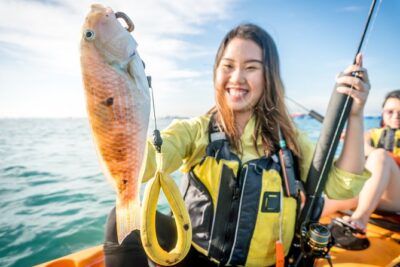
Kayak Fishing in Singapore, Sentosa, East Coast: Day, Sunset & Night Adventures
Read our review →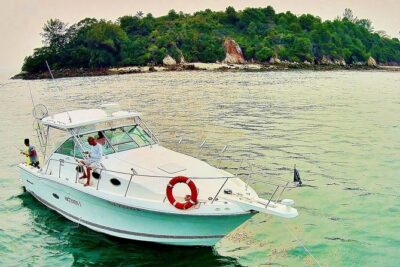
Join-in Catch and Cook Fishing Trip at Southern Islands Singapore
Read our review →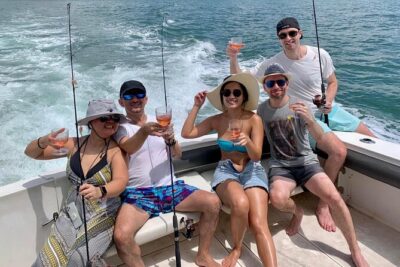
Join-in Yacht Fishing at the Southern Islands of Singapore
Read our review →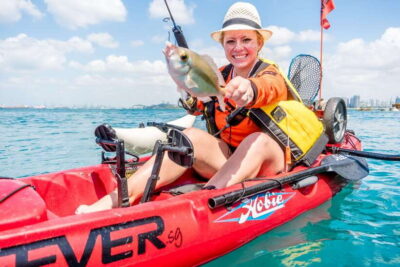
Kayak Fishing Tour in Singapore, Pasir Ris and Pulau Ubin Kelongs
Read our review →Other lists this trip sits in