
Review · THE USA
Hawaiian Reef Spearfishing Lesson for Beginners on Kauai
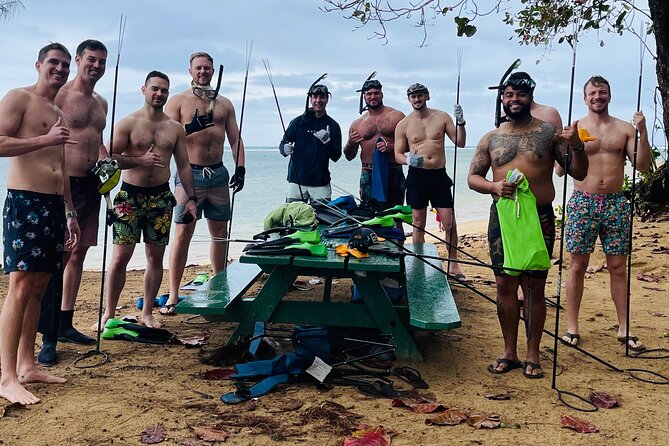
At Anini Beach, this is snorkeling with a purpose: you learn to read the reef, identify fish, and use a traditional three-prong spear rather than simply float above the water. I like the careful 45-minute shore lesson and the small group size, capped at six people. I also like that guides such as Aidden, Christian, Tui, and Aidan focus on safe, responsible fishing rather than promising an easy meal.
The main catch is the physical demand. You must already be comfortable swimming and snorkeling, and the outer reef can require a long swim against current. Bringing good fins matters, and catching a fish is never guaranteed.
Key points
- A 45-minute shore lesson comes first: Learn equipment safety, fish identification, aiming, and responsible reef practices before entering the water.
- The water session lasts about two hours: You may see reef fish, turtles, eels, coral, sea cucumbers, and sometimes manta rays while practicing with the spear.
- The outer reef is the goal: Guides lead you beyond the easy shoreline area, where fish sightings can be better, but the swim takes stamina.
- The group stays small: A maximum of six people makes it easier to receive tips, though you may spread out while hunting.
- Fins are not supplied: Bring your own fins, preferably sturdy ones suited to current.
- A fish is a bonus, not a promise: If you land one, the guide bags it for you. The lesson is about skill and sustainable practice, not a guaranteed dinner.
A real reef lesson at Anini Beach
The meeting point is at 4241 Anini Road in Kilauea, with a 9:30 a.m. start. You return to the same place at the end, and you will need to arrange your own transportation.
The setting matters. Anini is not a boat-based fishing trip where you watch the coast slide by from a seat. You enter from shore and work your way toward the reef under your own power. That makes the outing feel more connected to the place, but it also means you need to arrive ready for physical effort.
The group limit of six is a practical advantage. A small party allows the guide to watch your technique and help with the spear. Once everyone is spread across the reef, however, you may be 50 to 100 yards from other members of the group. Stay alert to the guide’s position and instructions.
You should treat the start time seriously. The outing is built around conditions in the water, and one solo participant specifically noted that tide timing affected the swim out and back. Low tide may make the route more awkward and increase the chance of scraping yourself on the reef, so ask about current and tide conditions when you arrive.
More spearfishing around the USA:
- Experience Spearfishing in Miami with a Guide
★ 5.0 · 6 reviews - Discover Spearfishing course
★ 5.0 · 57 reviews - Spearfishing in Chania, Crete (price is per group)
★ 5.0 · 17 reviews
The 45-minute shore class
Before entering the water, your guide gives you a proper introduction to the activity. This is not a quick safety speech followed by a rush to the beach. The first 45 minutes cover basic technique, equipment use, gear safety, and responsible practices.
You learn how to handle the traditional three-prong spear. The spear works much like a slingshot, and you hold it under tension with one arm while waiting for a fish to move into range. That sounds simple until you try to keep the spear ready while swimming and watching the reef. Your dominant arm may tire sooner than expected.
Fish identification is another important part of the lesson. The guide explains which reef fish are native and which are invasive. That knowledge gives the fishing a purpose beyond taking random shots. You learn to recognize what you are looking at and to act within the rules of responsible reef fishing.
The lesson also helps set realistic expectations. Even an experienced local guide may not land a fish every time. One guide told a group that he did not catch his first fish until his fifth outing, a useful reminder that beginners should focus on learning rather than measuring the day by the contents of a bag.
You will use snorkeling equipment supplied by the operator, except for fins. Bring your own mask and snorkel if you prefer familiar gear, but the key missing item is fins. Do not arrive assuming they will be waiting for you.
Swimming out to the outer reef
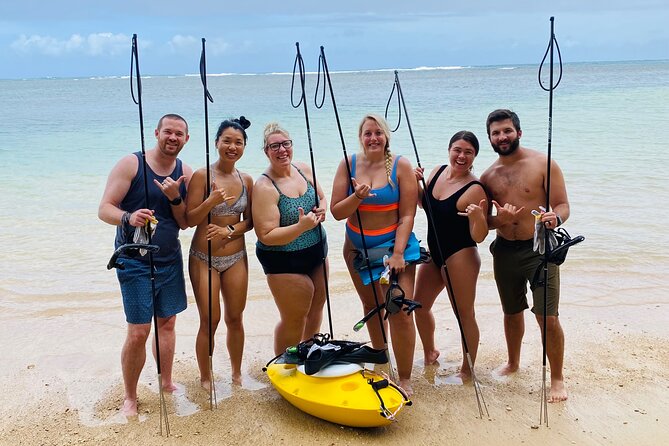
After the class, you suit up and enter the water for roughly two hours. The exact route and distance depend on conditions, but the guides take groups well beyond the easiest shoreline water to reach better fishing areas.
This is the part that separates the activity from a casual snorkeling stop. You need solid swimming skills, comfort with a mask and snorkel, and enough stamina to keep working in moving water. The current may not look dramatic from shore, but pushing against it while wearing gear and holding a spear takes effort.
Depth can be reassuring for nervous swimmers. One participant reported that the deepest water reached only about five feet during their outing. That does not remove the need for strong water skills, since shallow reef water can still have current, uneven footing, and coral close below you.
A guide may keep the group in a shallow area, especially when teaching first-timers. Still, you should not book this lesson as a way to learn basic snorkeling from scratch. Practice with a mask and snorkel before your appointment if you are rusty. You will get far more from the class if you can spend your attention on fish and technique instead of simply staying comfortable in the water.
What you might see beneath the surface
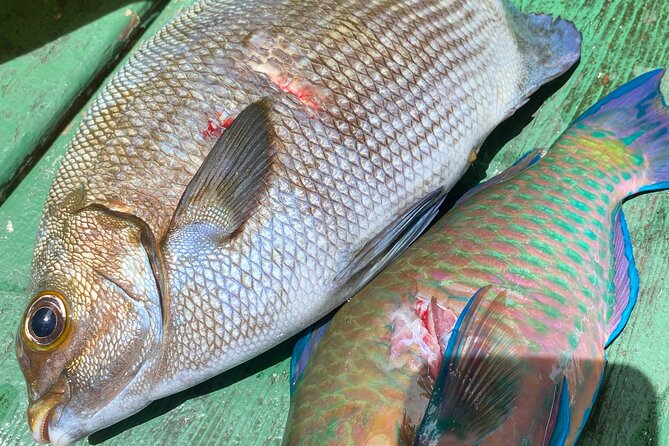
The fish is only part of the appeal. The reef can bring you close to colorful fish, coral, sea cucumbers, eels, and Hawaiian green sea turtles. Some outings have also included manta rays.
That variety changes the mood of the activity. You may arrive hoping to bring home dinner, then spend part of the session simply watching marine life. The chance to see turtles and large eels gives the outing value even when nobody lands a fish.
Conditions affect visibility and fish activity. Recent rain, tides, current, and ordinary changes in the sea can make the fishing harder. One outing just after rain produced plenty to see but no catch. That is not a failure of the lesson. It is part of fishing in the ocean rather than shopping for a guaranteed result.
The reef also asks you to pay attention to where you place your hands, knees, and fins. A participant noted that low tide made the approach and return more difficult and increased the risk of getting scraped. Move with care and listen when the guide explains the safest route.
More Reef and Bottom Fishing Trips in the USA:
- 4-Hour Day or Night-Time Reef Bottom Fishing Charter in Fort Lauderdale
★ 4.5 · 365 reviews - Key West 6-Hour Party Boat Fishing Trip – Affordable Reef Fishing
★ 4.5 · 325 reviews - 3-Hour Honolulu Bottom Fishing Adventure
★ 4.5 · 320 reviews - 3-Hour Honolulu Bottom Fishing Adventure
★ 4.6 · 25 reviews
Learning to aim, wait, and take a shot
Beginners often imagine that spearfishing is mainly about spotting a fish and pointing. The harder part is getting into position without startling it, keeping the spear steady, and judging distance underwater.
You may spend the first hour getting used to the process. The spear takes practice, and fish do not cooperate simply because you are ready. Holding the sling under tension can fatigue your arm, especially if you wait too long for a clean opportunity.
Your guide demonstrates the method and then gives you time to try it. Aiden, Aidan, and Aidden are names associated with several outings, and the instruction described by participants was patient, friendly, and clear. Christian has also guided groups, including families and first-time snorkelers. Tui was particularly attentive to a nervous first-time snorkeler, helping that person feel more at ease in the water.
You may be encouraged to take chances, but responsible fishing still comes first. Know your target, wait for a clear shot, and follow the guide’s direction. Do not assume that a single successful attempt is the measure of the day. A few good shots, a better understanding of the reef, and improved water confidence can be a very worthwhile result.
The catch of the day, if luck cooperates
If you land a legal fish, the guide bags it so you can take it home. Some guides have also cleaned or processed the catch and shared cooking suggestions. A few participants prepared their fish that evening, which added a satisfying local-food finish to the outing.
But this is not a catch-and-cook tour. The stated focus is instruction and sustainable practice. You pay for the lesson, equipment, guidance, and time on the reef, not for a guaranteed seafood dinner.
That distinction matters when judging the $125 price. If you need a sure meal, this is poor value. If you want to learn a skill that you can use on future visits, spend time with a local guide, and explore the reef in a more active way, the price is reasonable.
A fish should be treated as a fortunate extra. Several successful groups brought home fish, while others enjoyed the reef and returned empty-handed. The best mindset is to hope for a catch but book the outing for the teaching and the marine life.
What the last 15 minutes add
The final 15 minutes are set aside for team photos and questions. This gives you a chance to review what you learned, ask about fish, and talk through the outing before packing up.
If you caught a fish, this is also when the guide can help make sure it is bagged for the trip home. Bring a cooler or other suitable way to transport it only if you already have one available, since no food storage is included in the price.
The activity ends back at the Anini meeting point. Plan on roughly three hours from the 9:30 a.m. start, though water conditions or other circumstances can affect the time. One participant reported an outing that ended much earlier than expected, so it is sensible not to schedule a tight appointment immediately afterward.
Who will enjoy this most
This lesson suits an adventurous adult, couple, family with older children, or solo visitor who already feels at home in the water. It also works well for someone who wants a more active alternative to ordinary snorkeling.
You should have a strong level of physical fitness and be proficient at swimming and snorkeling. Current, distance, and the effort of holding the spear can make the outing tiring. A participant in mediocre shape managed the full water session because the excitement carried them along, but you should not count on enthusiasm to replace stamina.
Families can have a good time here, especially when children are old enough to follow safety instructions and manage snorkeling gear. Teenagers have enjoyed the challenge, and guides have worked patiently with family groups. Still, the activity is not a passive beach stop. Every person entering the water needs to be capable and comfortable enough to participate safely.
It is less suitable for anyone who is uneasy in open water, dislikes current, or expects the guide to stay close beside them every second. The small group format is helpful, but you may spread out while searching the reef.
What to bring to Anini
The most important item is your own pair of fins. Choose fins that fit well and give you enough power for current. A participant who used inexpensive fins wished for better ones, especially while swimming out and back.
You should also bring:
- A Hawaii recreational ocean fishing license if you are an out-of-state resident
- Water and snacks
- Sunscreen
- Sun-protective clothing if you have it
- A camera or phone only if you can keep it secure around water
- A way to carry home a fish if you catch one
The Hawaii license costs $20 for 24 hours and can be obtained through the state DLNR fishing website. The tour price does not include this license, transportation, sunscreen, food, or fins.
Apply sunscreen before entering the water, and consider protective clothing for the long surface session. You will be outside for several hours, and the water time can make it easy to forget how much sun you are getting.
Value, booking, and weather
At $125 per person, the cost is fair for a three-hour lesson with a guide, snorkeling equipment, a traditional spear, and about two hours of supervised reef time. The value improves if you are genuinely interested in learning spearfishing rather than simply hoping to collect a fish.
The maximum group size of six is another reason the price makes sense. You are not joining a large boatload with a short turn at the equipment. You receive shore instruction and time to practice in the water.
The activity is highly rated, with 97 percent of participants recommending it and an average rating of 4.9 from 67 ratings. The strongest praise centers on the guides, especially their patience, local reef awareness, and ability to help beginners feel safe. The less favorable experience focused on the long swim and physical demand, which is exactly why you should read the fitness requirements carefully.
Free cancellation is available up to 24 hours before the 9:30 a.m. start. Changes or cancellations inside that window are not refunded. The activity also depends on suitable weather and a minimum number of participants. If the operator cancels for either reason, you can choose another date or receive a full refund.
Should you book this Kauai spearfishing lesson?
Book it if you are a confident swimmer who wants to learn a traditional Hawaiian reef skill, spend meaningful time in the water, and accept that the fish may get away. You will see more than a fishing target, and the lesson can become one of the most memorable active outings on Kauai.
Skip it if you want a gentle snorkeling tour, dislike swimming against current, or need a guaranteed catch. Bring good fins, practice snorkeling first, buy the required license, and arrive ready to work. With those basics in place, the $125 fee buys more than equipment rental. It gives you a guided introduction to a skill, a close look at the reef, and a respectful way to take part in Hawaii’s ocean culture.
FAQ
Where does the spearfishing lesson meet?
Meet at 4241 Anini Road, Kilauea, Hawaii 96754. The activity ends back at the same meeting point.
What time does the lesson begin?
The scheduled start time is 9:30 a.m.
How long does the activity last?
The activity lasts approximately three hours. This includes a 45-minute shore lesson, about two hours in the water, and roughly 15 minutes for photos and questions.
Are fins included?
No. You must bring your own fins. Snorkeling equipment and a traditional three-prong spear are provided.
Do I need a fishing license?
Out-of-state residents need a Hawaii recreational ocean fishing license. A 24-hour license costs $20 and can be obtained through the Hawaii DLNR fishing website.
Do I need previous spearfishing experience?
No previous spearfishing experience is required. You do need strong physical fitness and proficiency in swimming and snorkeling.
Will I definitely catch a fish?
No. The lesson teaches technique and sustainable practices, so a catch is not guaranteed. If you land a fish, the guide will bag it so you can take it home.
What happens if the weather is poor?
If the activity is canceled because of poor weather, you will be offered another date or a full refund. Cancellation for an unmet minimum number of participants is handled the same way.
Just landed around the USA
- Wasilla: Ice Fishing Experience★ 5.0 · 2 reviews
- Private Full Day Fly Fishing For Beginners and Experienced Anglers★ 5.0 · 21 reviews
- Private High Country Fly Fishing Adventure★ 5.0 · 8 reviews
- Family Fun Private Half Day Fly Fishing Adventure★ 4.5 · 7 reviews
- Yellowstone Full Day Wade Fishing Trip★ 5.0 · 4 reviews
- Peacock Bass Fishing Trip near West Palm Beach★ 5.0 · 8 reviews
- Full Day Private Fly Fishing in Yellowstone★ 5.0 · 6 reviews
- Peacock Bass Fishing Trips near Palm Beach Florida★ 5.0 · 9 reviews
USA Fishing Trips, compared.
Drift Fishing Trip off the Coast of Fort Lauderdale
Read our review →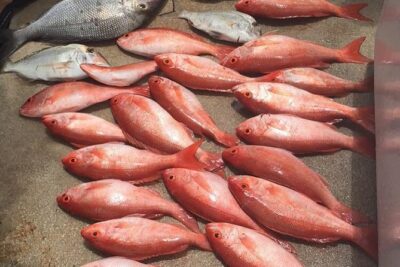
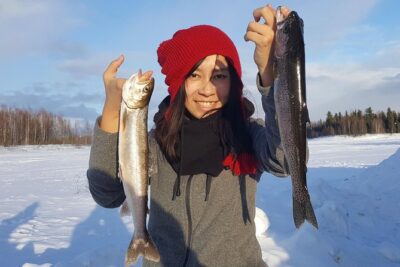
Fairbanks Ice Fishing Expedition in a Heated Cabin with Fish Cookout
Read our review →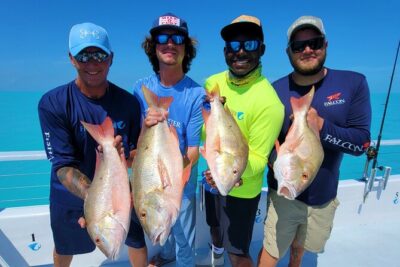
4-Hour Day or Night-Time Reef Bottom Fishing Charter in Fort Lauderdale
Read our review →
Other lists this trip sits in